Why Bangkok & Koh Samui is the Perfect Honeymoon Destination
Thailand has consistently ranked among the world's top honeymoon destinations, and the combination of Bangkok and Koh Samui explains exactly why. Few countries manage to deliver both metropolitan sophistication and untouched island beauty within a single tripThailand does it seamlessly. For couples embarking on their first journey together as newlyweds, this pairing offers something rare: the thrill of a dynamic, culturally rich city alongside the deep exhale of a tropical island where the only agenda is each other.
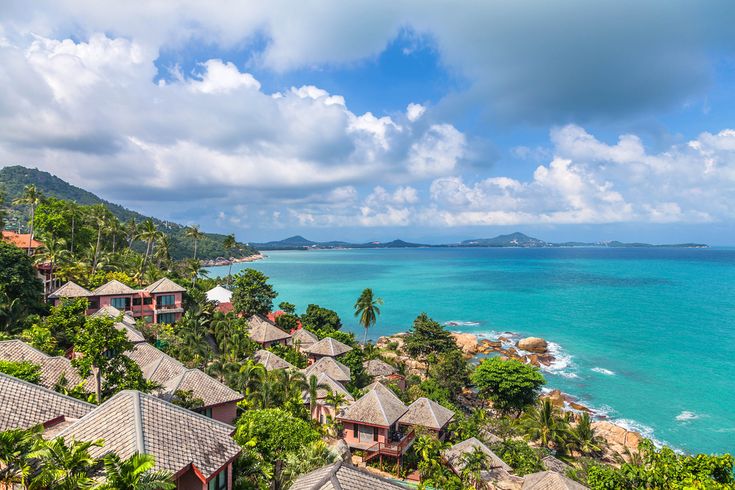
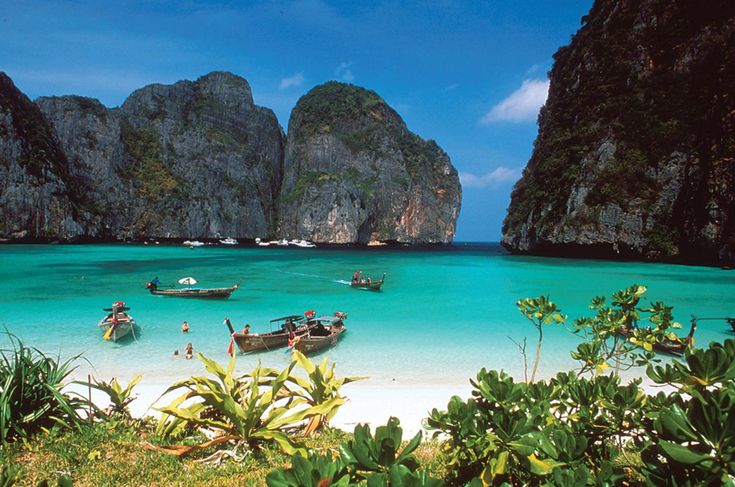
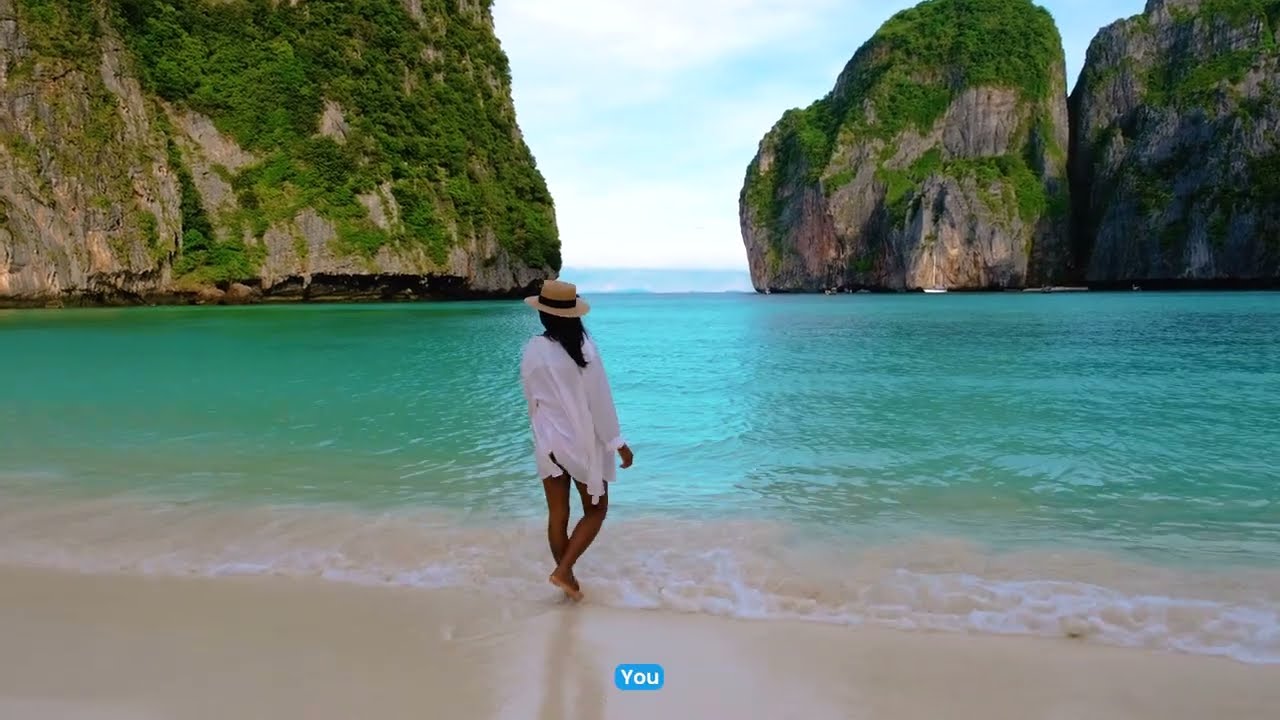
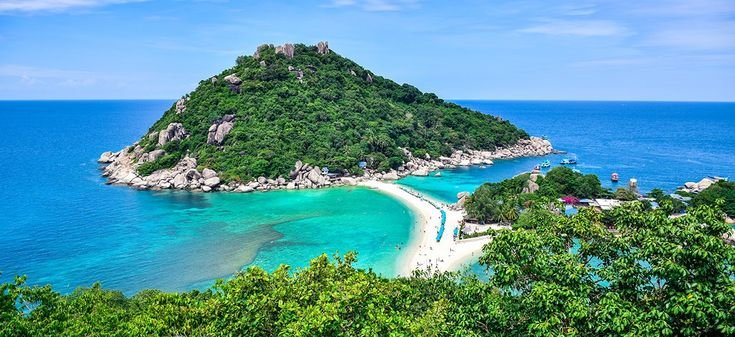
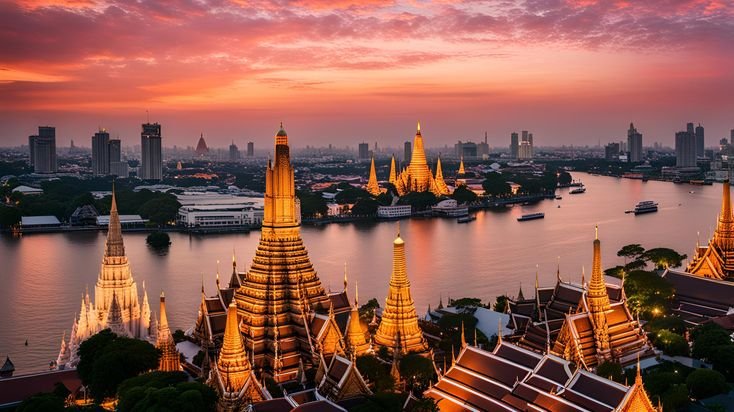
Bangkok sets the tone immediately. The city is alive in a way that few capitals are temple spires catching the morning light above the Chao Phraya River, tuk-tuks threading through incense-scented lanes, rooftop bars suspended above a glittering skyline. It is a city that rewards curiosity, and for honeymooners arriving wide-eyed and full of anticipation, Bangkok delivers wonder at every corner. Then, just an hour's flight south, Koh Samui unfolds in an entirely different register unhurried, lush, and breathtakingly beautiful. Coconut palms lean over white sand beaches, the Gulf of Thailand shimmers in a dozen shades of turquoise, and five-star resorts tuck private pool villas between jungle hillsides and coral-fringed bays.
Together, these two destinations cover every dimension of a great honeymoon: culture, adventure, relaxation, romance, gastronomy, and natural beauty. Thailand's legendary hospitality warm, genuine, and attentive without being intrusive — ties the whole experience together and ensures couples feel celebrated throughout.
Bangkok: The City of Angels for Couples
Bangkok is one of those cities that changes you. Even if you've travelled widely, the Thai capital has a way of surprising you with its scale, its contradictions, and above all, its beauty. For honeymooners, Bangkok offers an extraordinary first chapter to a Thailand trip.
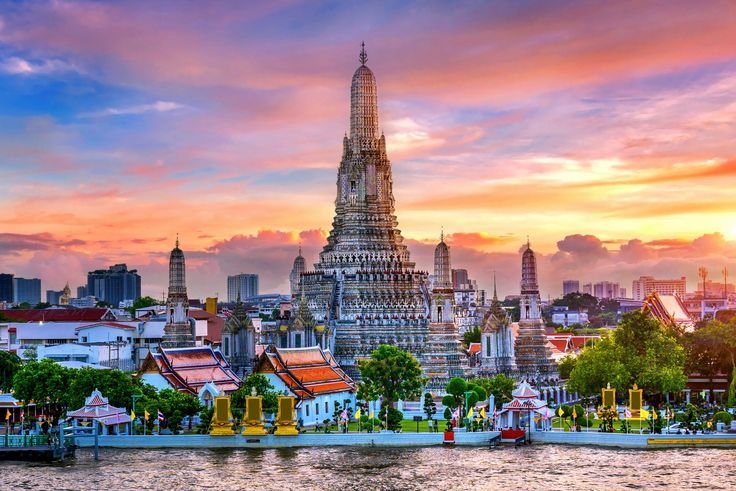
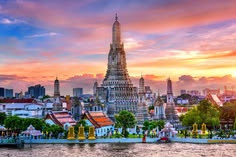
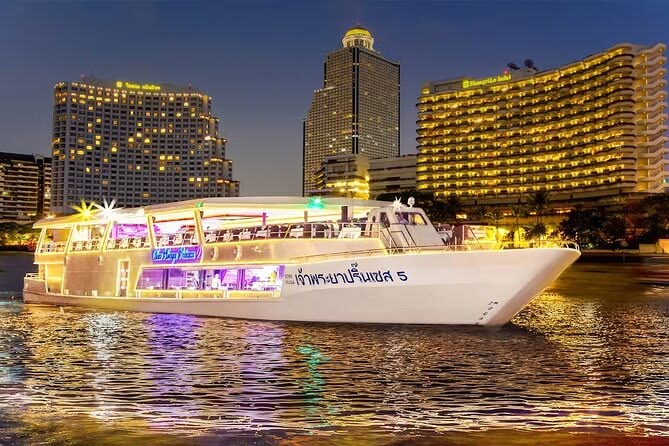
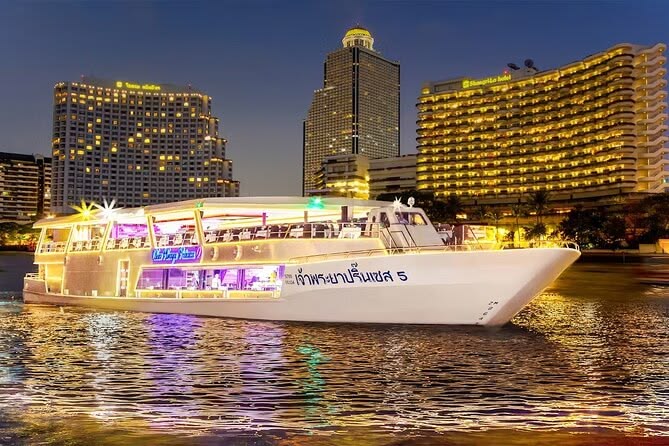
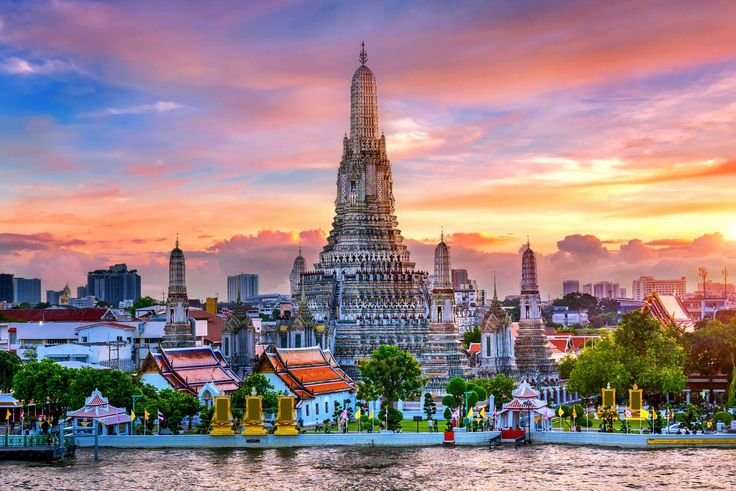
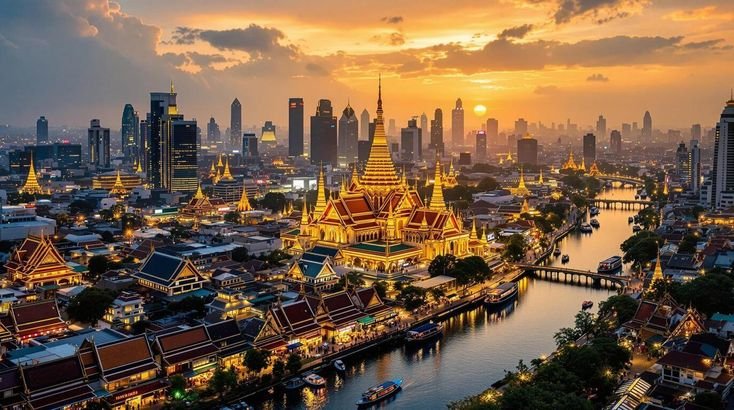
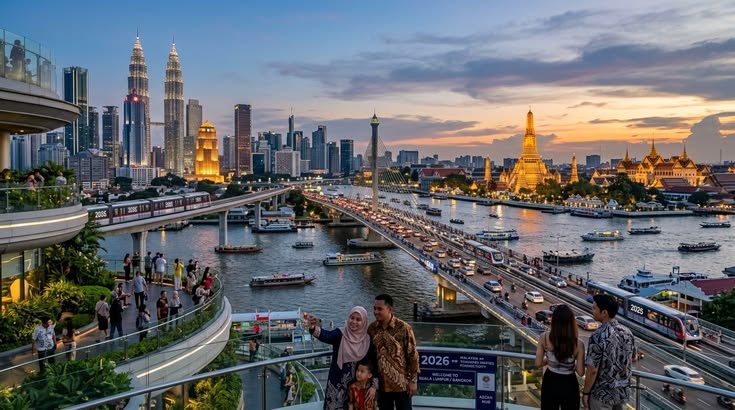
The Chao Phraya River is the city's beating heart and its most romantic setting. A dinner cruise along this ancient waterway is not merely a meal — it is a moving theatre of light, history, and spectacle. As your vessel glides downstream, Wat Arun (the Temple of Dawn) appears on the west bank, its Khmer-style prang encrusted with fragments of Chinese porcelain that shimmer under floodlights. Across the water, the walls of the Grand Palace complex glow gold above the tree line. The Memorial Bridge, the Rama VIII suspension bridge, and the elevated expressways form a layered skyline that is uniquely Bangkok. With wine in hand and Thai cuisine on the table, this is the kind of evening that becomes the centerpiece of every honeymoon story told back home.
The Grand Palace and Wat Phra Kaew are the most visited sites in Thailand for good reason. The complex is overwhelming in its grandeur — a city within a city, constructed over two and a half centuries by successive Thai kings. The Emerald Buddha (actually carved from jade) presides over Wat Phra Kaew in the palace grounds, dressed in seasonal robes changed three times a year by the King himself. Even for travelers who are not particularly drawn to temples, the sheer artistry of the palace complex — every surface gilded, painted, or inlaid with mirror mosaic — is humbling.
Wat Arun, seen from the river by boat and then visited up close, is equally extraordinary. The central prang (tower) rises 70 meters and is entirely studded with fragments of Chinese porcelain. Climbing the steep steps to the first terrace rewards with sweeping views across the Chao Phraya to the Grand Palace — a photograph that perfectly captures the duality of old and new Bangkok.
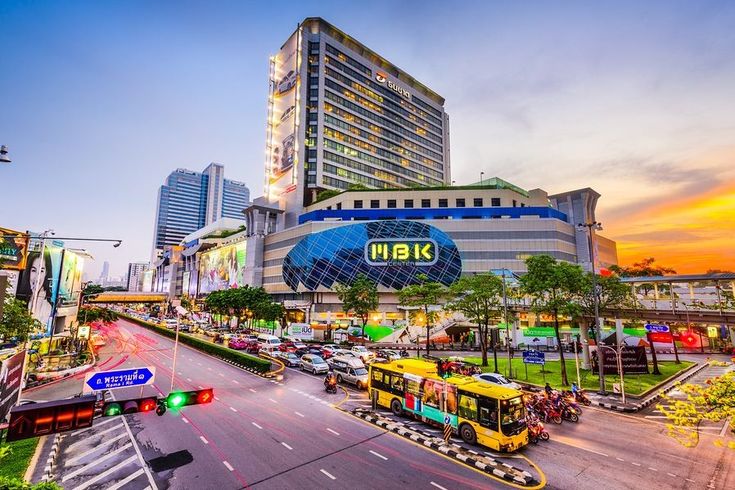
Bangkok's rooftop bars have become legendary among travelers, and for honeymooners they offer an unmissable evening experience. The city spreads in every direction to the horizon, punctuated by the green-lit spire of Baiyoke Tower and the glowing crowns of temples. Sky Bar at Lebua State Tower — made famous internationally by the film Hangover Part II — serves cocktails from a circular open-air platform 63 floors above street level. Vertigo at the Banyan Tree Hotel is equally spectacular, with a narrow rooftop that feels impossibly high above the city. Booking a table for sunset and staying through the first hours of darkness is the perfect Bangkok evening.
The Flower Market (Pak Khlong Talat) is one of Bangkok's great sensory experiences, and because it operates through the night, it rewards couples who are still on international time. Arriving around midnight or in the early hours of the morning, you'll find the market in full swing — mountains of jasmine garlands, lotus blossoms, marigold offerings, and tropical orchids arranged in kaleidoscopic stalls that spill across the riverfront pavements. The scent is extraordinary. It is the kind of place that reminds you how alive a great city is at every hour.
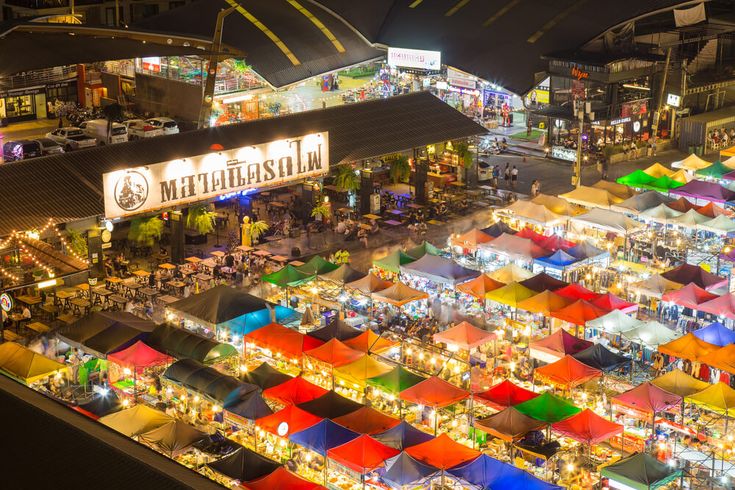
Chatuchak Weekend Market, operating on Saturdays and Sundays, is one of the world's largest markets with over 15,000 stalls spread across 35 acres. For couples who enjoy the hunt of discovering unique objects, it is endlessly absorbing — antique ceramics, handwoven textiles, vintage clothing, Thai crafts, succulents, street food, and art jostle for attention across a labyrinthine grid of lanes. Go early, wear comfortable shoes, and bring cash.
Bangkok's food scene is extraordinary at every level. At street level, the city's famous hawker stalls serve some of the best pad Thai, khao man gai, and mango sticky rice in the world for a handful of baht. At the other end of the spectrum, Bangkok now hosts multiple Michelin-starred restaurants as well as a vibrant fine-dining scene showcasing progressive Thai cuisine. For honeymooners, a tasting menu dinner at one of the city's celebrated restaurants — Gaggan Anand, Nahm, or Le Du — is a genuinely world-class culinary experience.
Getting to Koh Samui: The Ferry Experience
The journey from Bangkok to Koh Samui is itself part of the experience, and the ferry crossing across the Gulf of Thailand is a highlight many travelers mention long after returning home. After a short domestic flight to Surat Thani on the mainland, a private transfer takes you to Don Sak Pier, where large car ferries and high-speed passenger ferries depart for the island.
The crossing takes approximately 1.5 hours on a standard ferry. As the mainland coast disappears behind you and the green hills of Koh Samui come into view ahead, there is a distinct shift in atmosphere — the pace slows, the air softens, and the anticipation of island life begins to build. Dolphins are occasionally spotted on the crossing, and the Gulf waters in the dry season are typically calm and brilliant blue.
If you prefer speed and seamlessness, Bangkok Airways operates direct flights into Samui Airport (USM) from Bangkok — a 70-minute journey that delivers you directly onto the island. Samui Airport is itself charming, with open-air terminals shaded by tropical trees and a laid-back atmosphere that immediately signals you have arrived somewhere special.
Koh Samui: Thailand's Most Romantic Island
Koh Samui is the largest island in the Samui Archipelago and the third largest island in Thailand, measuring approximately 228 square kilometers. Despite its size, it retains an intimate, navigable character — you can drive a full circuit of the island in under two hours, touching beaches, waterfalls, temples, and fishing villages along the way.
Chaweng Beach is Koh Samui's most famous stretch of sand — a 7-kilometre arc of bright white sand on the island's east coast, backed by a lively strip of restaurants, bars, and boutique shops. The beach is beautiful, especially in the mornings before the midday crowds arrive, and the waters are calm and clear from November to April. For honeymooners seeking a base with plenty of dining and evening options within walking distance, Chaweng is the natural choice.
Lamai Beach, a little further south, offers a quieter alternative. The sand here is equally fine, the sea equally inviting, and the atmosphere more relaxed. Lamai is also known for its excellent snorkeling directly off the beach, and the hillside above the southern end of the bay hosts some of Koh Samui's most scenic boutique resorts with sea-view terraces and infinity pools.
Bophut and Fisherman's Village on the north coast is arguably the most atmospheric neighborhood on the island for an evening out. A row of beautifully preserved Chinese-Thai shophouses has been converted into wine bars, art galleries, seafood restaurants, and boutique fashion stores. The Friday Night Walking Street market fills the main lane with food stalls, live music, and local craftspeople. Walking the length of Fisherman's Village at sunset, with the lights of Koh Phangan visible across the water, is one of those simple pleasures that define a great holiday.
The North and West Coasts are quieter and less developed, with small fishing villages, secluded beaches, and some of Koh Samui's most exclusive resorts tucked into hillside jungle. The west coast sunsets are spectacular — unobstructed views across the Gulf to the mainland, with the sky turning amber, rose, and deep purple as the sun disappears.
Ang Thong National Marine Park: Thailand's Hidden Masterpiece
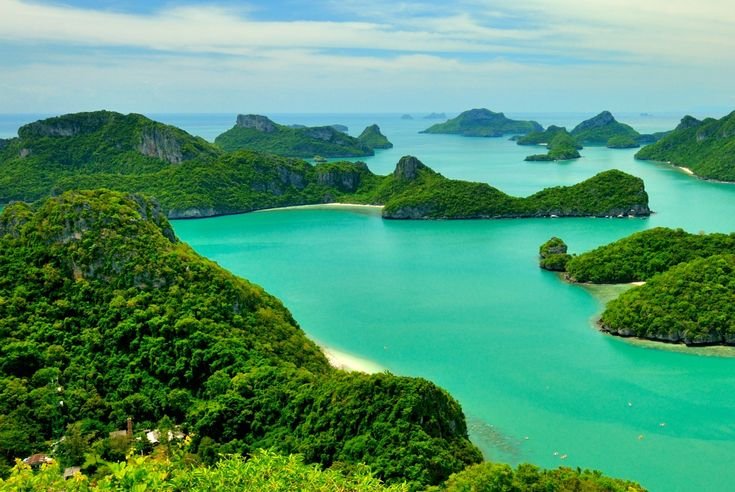
Of all the experiences on this honeymoon itinerary, the full-day excursion to Ang Thong National Marine Park stands apart as the most truly extraordinary. Established as a protected national park in 1980, Ang Thong encompasses 42 islands, 18 beaches, and 92 square kilometers of marine territory in the Gulf of Thailand — and yet it remains relatively little-known outside Thailand, making it feel like a genuine discovery.
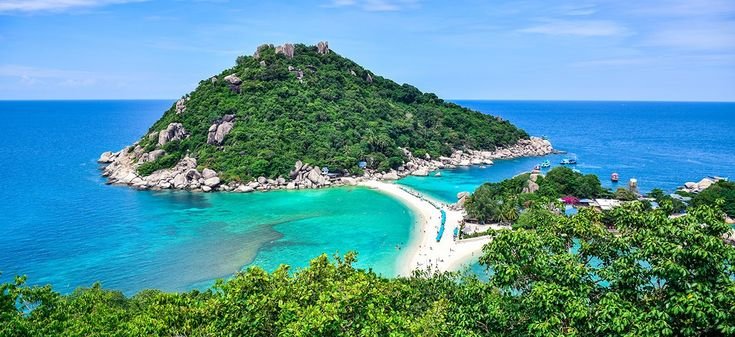
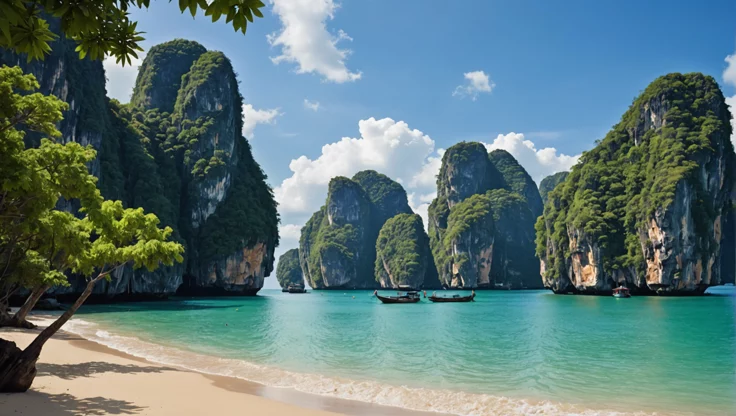
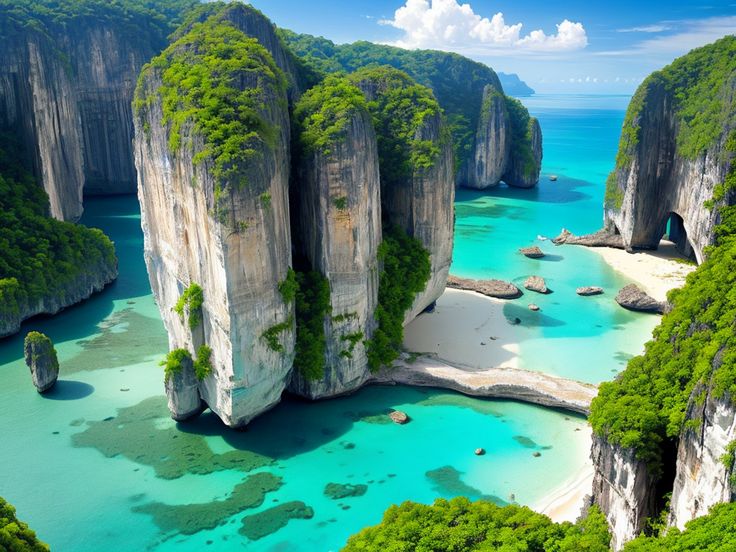
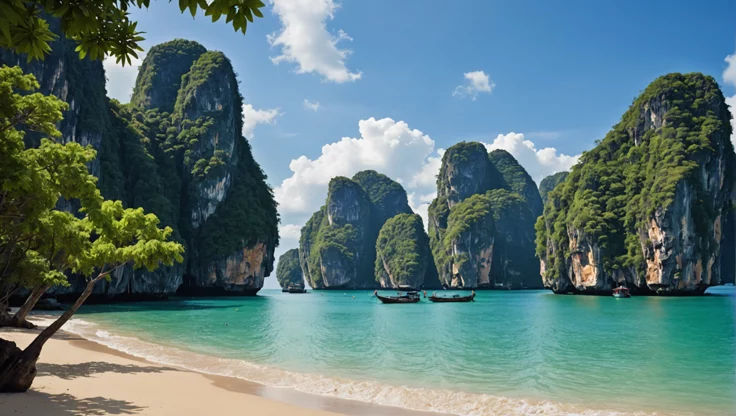
The park's name means "Golden Bowl" in Thai, a reference to the way the islands appear to cradle the enclosed waters between them like a vessel of liquid gold at dawn. The landscape is ancient — limestone karst formations that took millions of years to develop, now draped in dense tropical jungle that tumbles to the waterline. The contrast between the sheer white cliff faces, the dark green vegetation, and the extraordinary clarity of the water below creates a visual environment unlike anywhere else in Southeast Asia.
The Emerald Lake (Thale Nai) is the park's most famous feature and the one that appears on every honeymoon blog about Thailand. Located on Ko Mae Ko island, the lake is a saltwater lagoon connected to the sea through underground fissures in the limestone. To reach it, you hike a short but steep trail through dense jungle — the kind of walk where tropical birds call from the canopy overhead and the scent of wet earth and vegetation is overwhelming. Then the lake appears suddenly, entirely without warning: a perfect oval of jade-green water framed by sheer limestone walls rising on all sides, completely silent apart from the drip of moisture from the rock face. It is one of those rare places that seems to exist outside ordinary time.
Sea kayaking through Ang Thong's cave systems is the other experience that couples consistently describe as the highlight of the trip. With a guide, you paddle your kayak through a narrow sea entrance in the cliff face and emerge inside a cathedral-like cavern where shafts of light filter down through openings in the rock above. The sound of your paddle in the water echoes off the walls. Some caves connect to form passages that you navigate in near-darkness before emerging into an interior lagoon — one of those experiences that feels genuinely adventurous without being dangerous.
Snorkeling around the park's coral gardens brings encounters with hawksbill turtles, leopard sharks resting on the sand, schools of parrotfish and angelfish, anemones hosting clownfish, and in the right season, whale sharks passing through the deeper water beyond the reef. The visibility in the park's waters can exceed 20 meters on calm days in the dry season, making it one of the best snorkeling environments in the Gulf of Thailand.
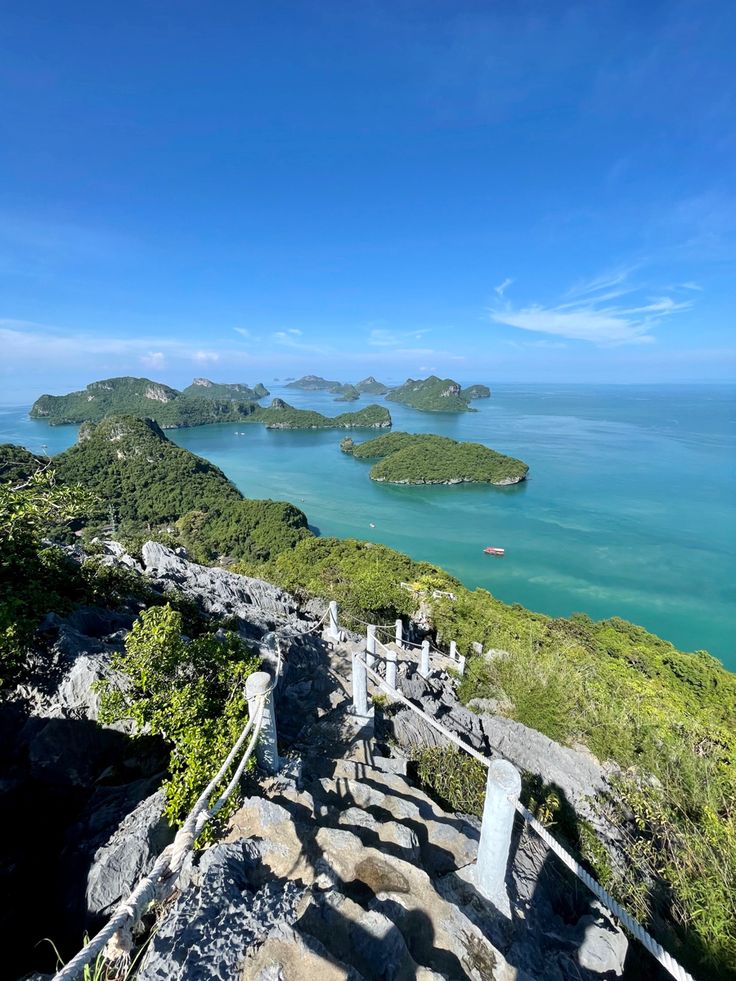
The Main Viewpoint on Ko Wua Talab island is reached via a steep staircase of around 500 steps cut into the hillside. The ascent takes approximately 20–30 minutes at a leisurely pace and is worth every step. From the summit, the entire Ang Thong archipelago spreads below you — 42 islands at varying distances, scattered across impossibly blue water, with the mainland coastline visible on the far horizon. It is the kind of view that recalibrates your sense of perspective and reminds you how beautiful this planet is.
The Koh Samui Island Tour
The half-day island tour on Day 4 covers the two most significant cultural and natural landmarks on Koh Samui, and it is a wonderful way to understand the island beyond its beaches.
Namuang Waterfalls are located in the jungle interior of Koh Samui, roughly in the center of the island. The lower falls (Na Muang 1) are the most accessible — a wide, 20-metre cascade tumbling into a natural pool where swimming is permitted. The upper falls (Na Muang 2) require a 1.5-kilometre walk through the jungle, but reward with greater height and a more dramatic setting. The surrounding forest is thick with tropical vegetation, and the sound of water and birdsong creates a refreshing contrast to the beach atmosphere.
The Big Buddha Temple (Wat Phra Yai) sits on a small island — Ko Fan — connected to the northeast coast of Koh Samui by a short causeway. The golden statue rises 12 meters above the platform and is visible from far out to sea, having served as a navigation landmark for fishermen for decades. The complex surrounding the Buddha includes smaller shrines, souvenir stalls, and sweeping views across the Gulf of Thailand. Visiting at sunset, when the statue catches the last light of the day and the waters below glow amber, is particularly memorable.
The Thai Spa and Couples Massage Experience
Thailand's massage and wellness tradition is one of the oldest in the world, rooted in Ayurvedic medicine brought to Southeast Asia over 2,000 years ago and refined through centuries of Thai Buddhist healing practice. Traditional Thai massage (nuad boran, meaning "ancient massage") is fundamentally different from Western spa massage — it works on energy lines (sen) running through the body, using a combination of passive stretching, rhythmic compression, and pressure point stimulation to release tension, improve circulation, and restore energetic balance.
For honeymooners, a couples treatment in a private suite is one of the most intimate and memorable experiences the trip offers. Side by side on adjacent treatment tables, you'll be guided through a 90-minute sequence by two therapists working in quiet synchronization. Many of Koh Samui's beachside spas arrange this in open-sided pavilions where you can hear the sea, smell the ocean air, and feel the breeze while receiving your treatment. Post-massage, refreshing herbal teas, tropical fruit, and cold towels complete the experience.
Beyond traditional massage, Koh Samui's luxury resort spas offer an extensive menu of wellness experiences. Coconut and lemongrass body scrubs slough away sun-damaged skin and leave a scent that seems to define the island. Herbal compress treatments use muslin parcels of aromatic Thai herbs — galangal, lemongrass, kaffir lime, turmeric — heated to activate their essential oils and applied to the body in rhythmic rolling movements. Flower baths, where rose petals and jasmine blossoms float in a deep soaking tub, are a signature honeymoon addition that many couples photograph as one of the defining images of their trip.
Food & Dining: Eating Your Way Through Bangkok and Koh Samui
Thai cuisine is one of the world's truly great food traditions — complex, aromatic, beautifully balanced between sweet, sour, salty, bitter, and spicy. Eating in Thailand is also one of life's great pleasures at every price point, from a 40-baht bowl of noodles at a street stall to a multi-course tasting menu at a Michelin-starred table.
In Bangkok, the essential food experiences include:
Pad Thai from a street wok, eaten at a plastic table on the pavement — simple, perfect, and nothing like the versions served abroad
Khao man gai — poached chicken served over rice cooked in chicken stock, with a ginger-chilly dipping sauce — Bangkok's great comfort food
Tom yum goong — the fiery, aromatic prawn soup that is perhaps Thailand's most internationally recognized dish, but which tastes entirely different made fresh with lemongrass, galangal, and kaffir lime
Mango sticky rice (khao niao mamuang) — warm glutinous rice with fresh mango and coconut cream, the perfect dessert on a hot evening
A fine-dining dinner at one of Bangkok's acclaimed modern Thai restaurants, where centuries of culinary tradition are reinterpreted with contemporary technique
On Koh Samui, the focus shifts naturally to seafood:
Fresh grilled whole fish — snapper, sea bass, barracuda — cooked over charcoal and served with steamed rice and spicy dipping sauce
Crab in yellow curry (pu pad pong karee) — a Koh Samui specialty, the sweetness of fresh crab balanced against the warmth of turmeric and the richness of coconut milk
Tom kha gai — the coconut milk and galangal soup, gentler than tom yum and deeply comforting
Beachfront seafood BBQ platters at the night markets, where grilled prawns, squid, clams, and lobster are priced by the plate and served at tables in the sand
Fresh coconut water drunk directly from the nut — ice cold, sweet, and utterly refreshing after a day in the sun
For the romantic sunset dinner on Day 4, many beachside restaurants on Koh Samui offer dedicated tables set directly in the sand, with candles, lanterns, and a menu of fresh seafood. Booking in advance and requesting a beach table at the water's edge makes this one of the trip's most enduring memories.
Practical Information for Travelers
Currency: Thailand uses the Thai Baht (THB). The approximate rate varies, but it is always worth checking current exchange rates before travel. ATMs are abundant in Bangkok and Koh Samui. Credit cards are accepted at hotels, larger restaurants, and shops; smaller establishments, markets, and street food vendors operate in cash. Always carry small denomination notes (20, 50, 100 THB) for tips and local purchases.
Language: Thai is the national language. English is widely spoken in tourist areas, hotels, and restaurants in Bangkok and Koh Samui. Learning a few Thai phrases — sawadee kha/krub (hello), khob khun kha/krub (thank you), and aroi mak (very delicious) — is warmly appreciated and will earn genuine smiles.
Time Zone: Thailand Standard Time (ICT) is UTC+7. There is no daylight saving time.
Electricity: 220V, 50Hz. Thailand uses Type A, B, and C plugs. A universal travel adapter is recommended.
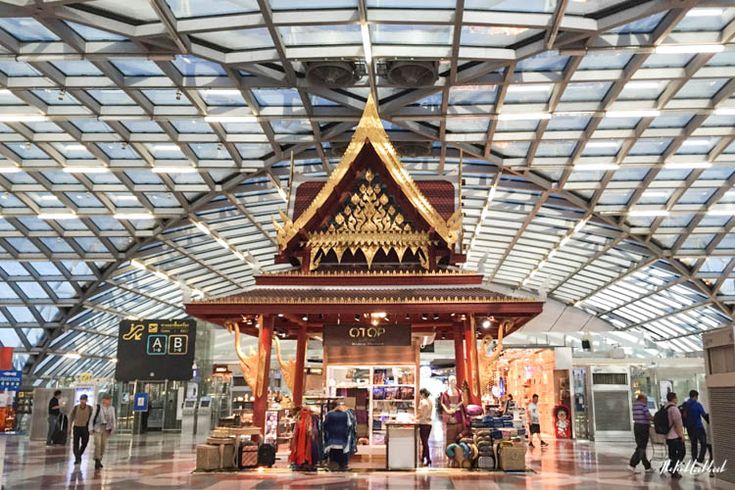
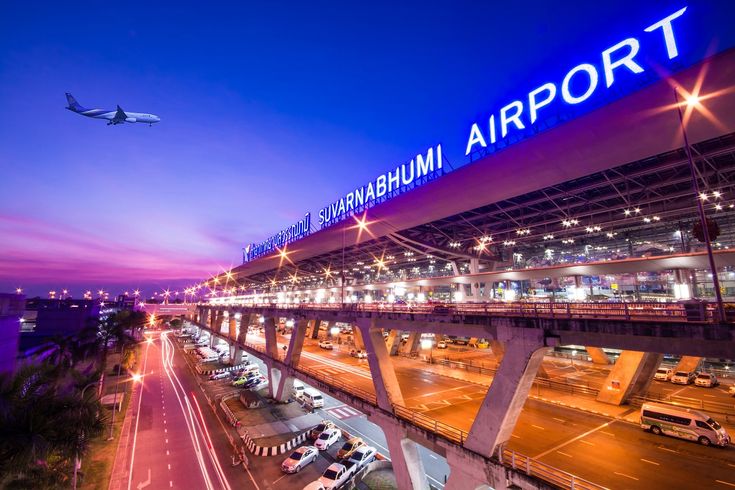
Connectivity: Thailand has excellent mobile coverage. SIM cards with generous data packages are available at both Suvarnabhumi Airport and Samui Airport on arrival — inexpensive and easy to set up. Most hotels, restaurants, and cafes offer free Wi-Fi.
Getting Around Bangkok: The BTS Skytrain covers the main shopping, dining, and hotel districts efficiently. The MRT Metro extends coverage to additional areas including Chinatown. For riverside attractions and the Grand Palace area, the Chao Phraya Express Boat is scenic and practical. Metered taxis are plentiful and inexpensive — always ensure the driver uses the meter. Grab (the regional equivalent of Uber) operates reliably in Bangkok and removes the need to negotiate fares.
Getting Around Koh Samui: The island's main road circuits the coastline. Songthaews (covered pickup trucks that function as shared taxis) operate fixed routes and are inexpensive. Metered taxis and Grab are also available. Motorbike rental is popular but carries genuine risk on Koh Samui's mountain roads — exercise caution if you choose this option. For all excursion transfers, your tour operator will arrange private vehicles.
Health & Safety
Thailand is a very safe destination for honeymooners, and millions of couples visit each year without incident. Standard travel precautions apply:
Sun protection is essential — the Thai sun is intense year-round and burns quickly, even on overcast days. Apply SPF 50+ sunscreen generously and reapply after swimming. A hat and UV-protective swimwear are worthwhile investments, particularly for the Ang Thong boat excursion.
Hydration is critical in the tropical heat. Drink bottled or filtered water consistently throughout the day. Tap water in Thailand is not safe to drink, though it is fine for showering. Bottled water is inexpensive and available everywhere.
Food safety: Street food in Thailand is generally very safe when freshly cooked and served hot. Exercise standard caution with raw shellfish, pre-sliced fruit left in the heat, and ice from unknown sources. The stomach does occasionally need a few days to adjust to new bacterial environments — a small pack of oral rehydration salts is a wise addition to your travel kit.
Vaccinations: No vaccinations are mandatory for entry to Thailand for most nationalities. The CDC and WHO recommend being up-to-date on routine immunizations and considering hepatitis A, typhoid, and tetanus boosters. Consult your doctor or a travel health clinic 6–8 weeks before departure.
Travel insurance is strongly recommended and should cover medical treatment, emergency evacuation, trip cancellation, and lost or stolen possessions. Ensure your policy covers water sports and adventure activities if you plan to snorkel or kayak at Ang Thong.
Temple etiquette: When visiting Wat Phra Yai on Koh Samui or any Bangkok temple, dress modestly — shoulders and knees must be covered. Sarongs and shawls are available for loan or purchase at major temple entrances. Remove shoes before entering any temple building. Speak quietly and avoid pointing feet toward Buddha images, which is considered disrespectful in Thai culture.
Best Tips for an Unforgettable Honeymoon
Book the couples spa in advance. Koh Samui's best beachside spas fill quickly, especially in the high season months of December to March. Reserve your slot as soon as your travel dates are confirmed.
Request a pool villa or sea-view room when booking your Koh Samui resort. The difference between a garden-view room and a private plunge pool villa overlooking the Gulf is transformative for a honeymoon stay.
Pack the night before the Ang Thong excursion. Boats depart early — typically around 8:00 AM — so having your bag ready allows you to board fully rested rather than rushing.
Carry a sarong. It serves multiple purposes: temple modesty cover, beach towel, shade from the sun on the boat, and impromptu picnic blanket.
Watch sunset from Fisherman's Village. The north Koh Samui pier at Bophut offers unobstructed westward views, with Koh Phangan silhouetted against a blazing sky. It costs nothing and is one of the most beautiful things you'll see on the island.
Book the Chao Phraya dinner cruise in advance. The most popular riverboats — Chao Phraya Princess, Manohra, and White Orchid — sell out during peak season. Booking 1–2 weeks ahead guarantees a window table.
Allow a buffer on transit days. Days 2 and 5 involve multiple transport connections. Build in time at each stage — the journey is part of the experience, not an obstacle to it.
Embrace the slow pace. The greatest luxury in Koh Samui is not a pool or a spa — it is time. Resist the urge to fill every hour with activities. Some of the best honeymoon memories are made simply sitting on a terrace with the person you love, watching the light change over the water.