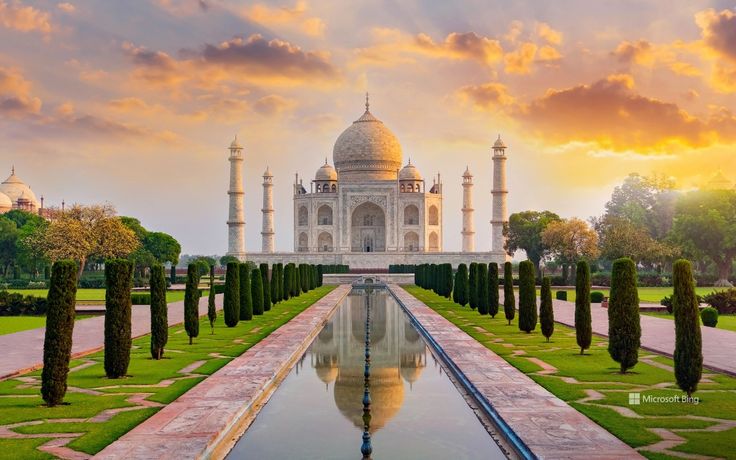
Why Choose This Golden Triangle of India Tour?
Covers India’s most famous cultural circuit
Follows a well-planned Delhi Agra Jaipur itinerary
Includes UNESCO World Heritage Sites
Suitable for first-time travelers to India
Balanced travel pace with road connectivity
Focus on history, architecture, and local life
For booking details, pricing, or itinerary customization, please Contact Us and our team will assist you. To discover similar routes or extended options, you can also Explore Our India Tour Packages for more options.
Visa for India
Nepalese citizens do not need a visa to travel to India, but a valid government-issued identity document is required. A Nepalese citizenship card or passport is accepted at border checkpoints and during hotel check-ins. Travelers holding passports from other countries must obtain an Indian visa before arrival, according to Indian immigration regulations. Visa rules vary by nationality and should be confirmed with the Indian embassy or official visa website before travel.
Required travel documents
A valid original ID must be carried throughout the journey. Photocopies may not be accepted at hotels or security checks. Documents may be checked during border crossing or hotel check-in. Keep documents safe and dry during travel.
Currency and money
It is advisable to carry some Indian currency before arrival. Cash is useful for small expenses, local markets, taxis, and tips. Credit and debit cards are widely accepted in cities and hotels. ATMs are easily available in major towns.
Mobile network access
Indian mobile networks offer good coverage in major cities and tourist areas. International roaming may work but can be expensive or limited depending on the provider. Many travelers choose to buy a local Indian SIM for calls and mobile data during the trip. Most hotels provide Wi-Fi, though speed and reliability may vary by location.
Using cards in India
Most hotels, restaurants, and shopping centers accept cards. Smaller shops and street vendors usually accept cash only. International cards generally work, but transaction fees may apply. Inform your bank before travel to avoid card issues.
Best travel season
October to March is ideal for North India, including Delhi, Agra, and Rajasthan. The weather is cooler and suitable for sightseeing. Summer months can be very hot in northern regions. Monsoon season may affect travel schedules and outdoor activities.
Shopping guidelines
Markets are popular for souvenirs and handicrafts. Bargaining is common in local markets. Fixed-price shops are available in malls. Keep cash ready for small purchases.
Language and communication
Hindi and English are widely spoken in tourist areas. Hotel staff usually communicate in English. Local guides assist during sightseeing. Learning basic phrases can be helpful.
Photography rules
Photography is allowed at most outdoor monuments. Some sites charge a camera or mobile fee. Flash photography may be restricted indoors. Always check local signs before taking photos.
Emergency services
Emergency medical services are available in cities. Hospitals and pharmacies are easily accessible. Travel insurance is recommended for safety. Keep emergency contact numbers saved.