


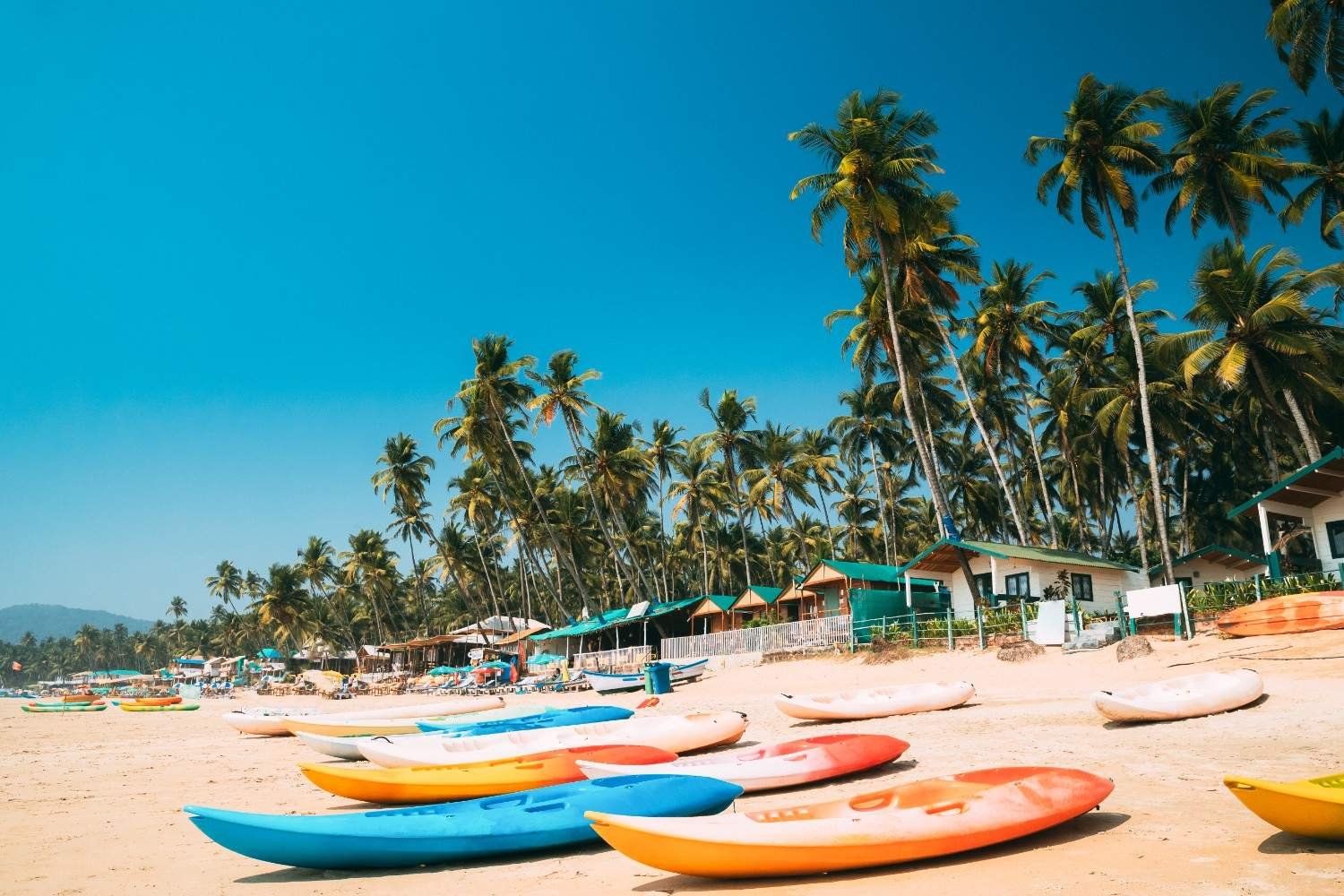
Goa is a coastal state on the western coast of India, along the Arabian Sea. Even though it is the smallest state in India by area, Goa is one of the country’s most popular and well-known tourist destinations.
Goa attracts visitors because of its beautiful beaches, rich colonial history, lively nightlife, natural landscapes, and mixed cultural traditions. Over many centuries, local customs and foreign influences have shaped Goa’s unique identity.
Tourists visit Goa from across India and from many countries, especially Europe, Russia, and Southeast Asia. Because tourism remains strong throughout the year, Goa has developed a well-organized tourism system with good infrastructure, clear regulations, and strong destination planning.
Goa is a complete travel destination with beaches, history, nature, and modern facilities. Famous beaches like Baga and Palolem attract visitors, while old Portuguese churches show Goa’s rich past. Rivers such as the Mandovi add to the natural beauty of the state.
Goa also has good hotels, transport, restaurants, and entertainment options, which make travel comfortable and enjoyable. Because of this mix of attractions and facilities, Goa is a popular place for all types of travelers.
This guide explains everything about Goa tourism, including beaches, history, culture, and travel facilities. While planning your tour with this goa travel guide, check out Gomayu’s Goa tour packages to make your trip hassle-free and memorable.
Geographic Location and Administrative Overview
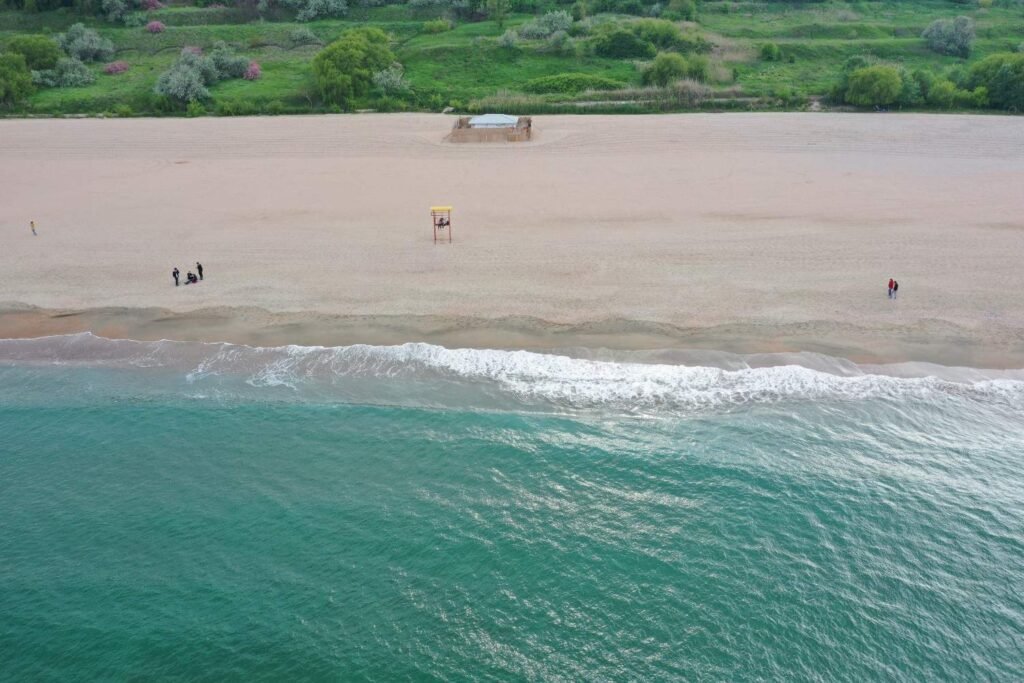
Goa lies between Maharashtra in the north and Karnataka in the east and south, with the Arabian Sea forming its western boundary. This coastal location has strongly influenced Goa’s trade routes, food culture, lifestyle, and settlement patterns over time. Administratively, the state is divided into two main districts: North Goa District and South Goa District. Panaji is the capital city and functions as the political and administrative center of the state.
Goa’s landscape is diverse despite its small size. It includes flat coastal plains, river estuaries, mangrove forests, and the lower hills of the Western Ghats. The altitude of the state ranges from sea level along the coast to around 1,000 meters in the eastern highlands near the Western Ghats. These hills form part of a globally recognized biodiversity zone and support a wide variety of plant and animal species.
How to Reach Goa (Verified Transport Infrastructure)
Air Connectivity
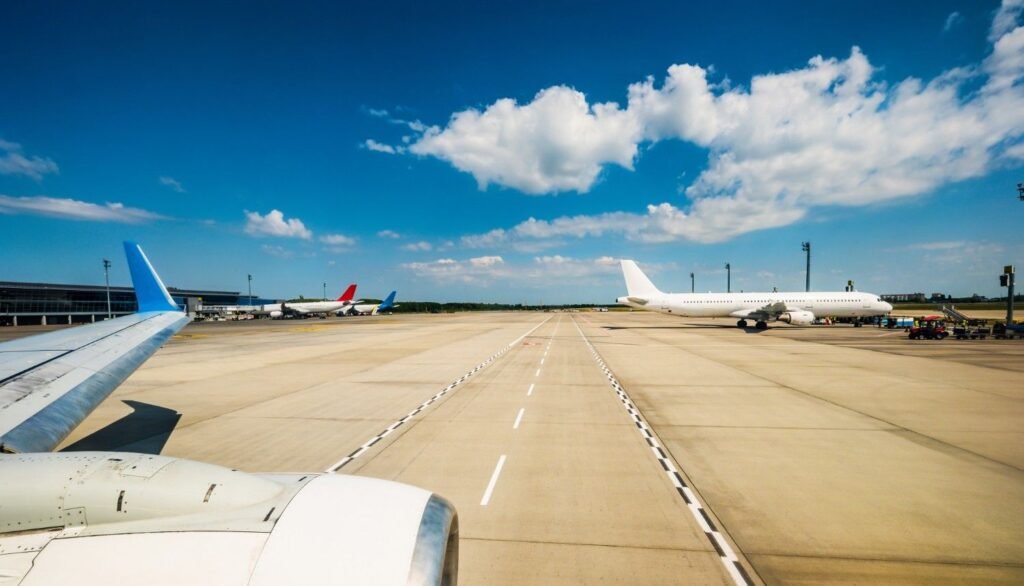
Goa is served by two operational airports that handle both domestic and international air traffic.
Dabolim Airport mainly serves South Goa and operates as a civil–military airport. It handles regular domestic flights and limited international charter services. This airport is closer to popular areas such as Vasco da Gama, Colva, and Benaulim.
Manohar International Airport improves air access to North Goa and is designed to handle higher passenger capacity. It supports long-distance domestic routes and selected international flights, making travel easier for visitors heading to beaches like Baga, Calangute, and Anjuna.
Together, these two airports connect Goa with major Indian cities including Delhi, Mumbai, Bengaluru, Hyderabad, Chennai, and Pune. Seasonal international flights operate from parts of Europe, Russia, and the Middle East. This dual-airport system helps Goa manage heavy tourist traffic during peak travel months.
After arrival, taxis, app-based cabs, and prepaid airport taxis are available for onward travel to hotels and beach areas.
Rail Connectivity

Goa is connected to India’s rail network through the Konkan Railway, a coastal rail route known for tunnels, bridges, and scenic views.
Major railway stations in Goa include:
- Madgaon Railway Station (South Goa)
- Thivim Railway Station (North Goa)
- Vasco da Gama Railway Station
These stations receive trains from major cities such as Mumbai, Delhi, Bengaluru, and Kochi. Train travel is widely used by budget travelers, families, and long-distance domestic tourists because it is affordable and reliable.
From railway stations, visitors can use taxis, local buses, or hotel transfers to reach beach areas and towns.
Road Connectivity
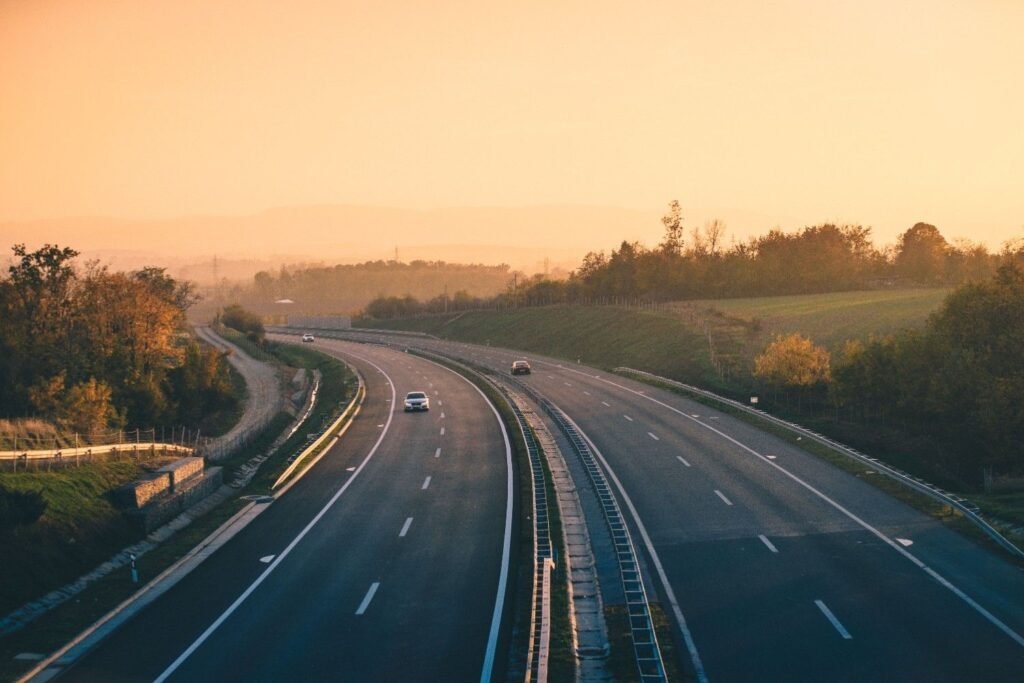
Goa has strong road connectivity with neighboring states, especially Maharashtra and Karnataka. National Highways and state highways link Goa to cities such as Mumbai, Pune, Belagavi, and Hubballi.
Government-operated buses, private luxury coaches, and sleeper buses run daily services to Goa from nearby cities. Many travelers also choose self-drive cars or taxis for flexible travel schedules.
Road travel is especially popular for short-distance visitors and group travelers. Fuel stations, rest stops, and roadside services are available along major routes, making road journeys convenient.
North Goa vs South Goa: Functional Tourism Division
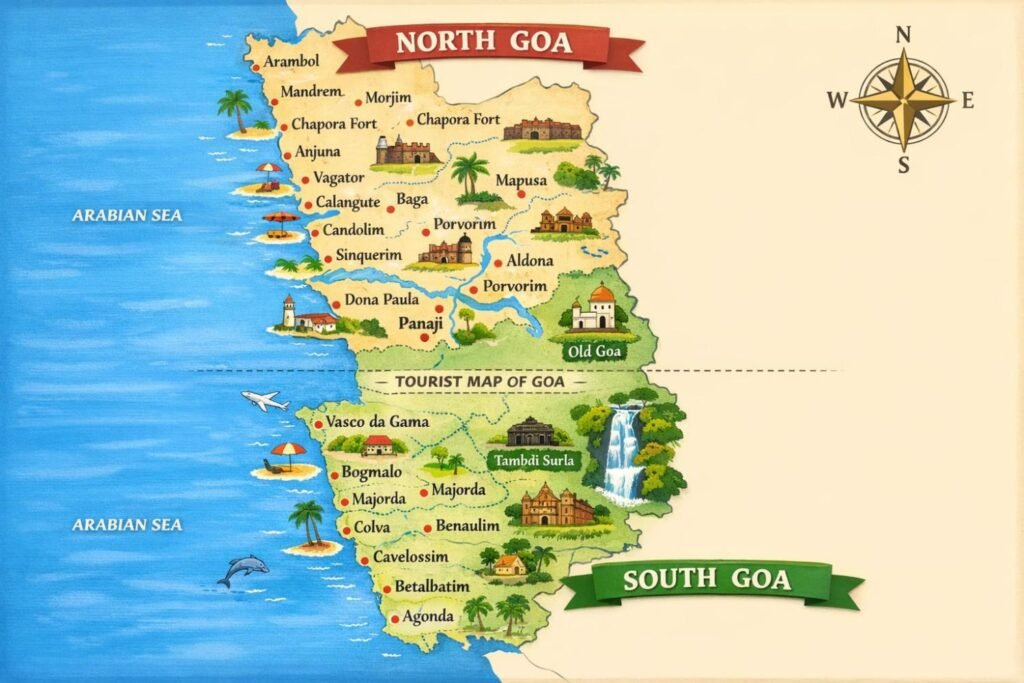
North Goa: Commercial and Entertainment Focused
North Goa District is the most active and commercial part of the state. It has a high number of tourists, busy beaches, and a strong nightlife scene.
Popular beaches such as Baga Beach, Calangute Beach, and Anjuna Beach attract visitors with water sports, clubs, beach shacks, flea markets, and live music. These locations are often highlighted when people search for Goa beaches and attractions.
North Goa is especially popular with backpackers, first-time visitors, and budget travelers because of affordable hotels and entertainment options.
South Goa: Calm and Nature-Oriented
South Goa District offers a quieter and more relaxed travel experience. Tourism here focuses on nature, comfort, and sustainability rather than crowds.
Beaches like Palolem Beach, Colva Beach, and Agonda Beach are known for clean surroundings, calm waters, and limited commercial activity. South Goa suits honeymooners, families, and wellness travelers who prefer luxury resorts, private villas, yoga retreats, and peaceful environments.
Goa’s Beaches: Natural Assets and Tourism Infrastructure
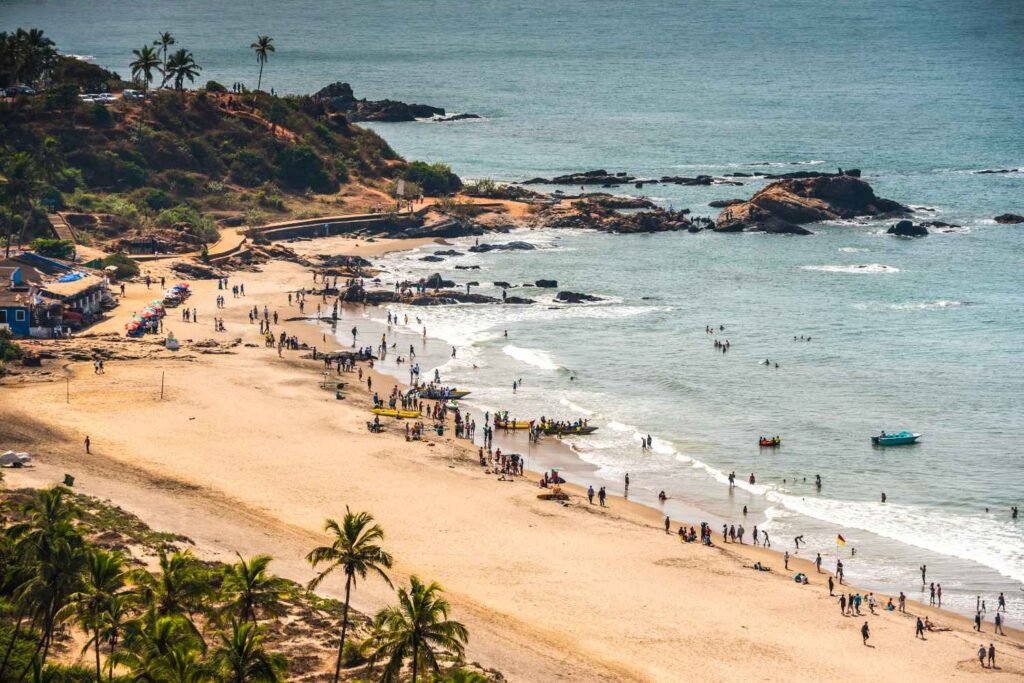
Goa has more than 100 kilometers of coastline, which makes beaches its most valuable natural tourism asset. These beaches are not all the same. Each one has a different purpose based on crowd level, activities, nearby hotels, and surrounding development.
To make travel planning easier, Goa’s beaches are commonly divided into North Goa beaches and South Goa beaches.
Popular Beaches in North Goa (Busy & Activity-Focused)
North Goa beaches are lively and well-developed. They have easy road access, many hotels, restaurants, clubs, and water sports operators. These beaches are ideal for first-time visitors, young travelers, and people who enjoy nightlife and activities.
| Beach Name | Main Highlights | Best For |
| Baga Beach | Water sports, clubs, beach shacks, nightlife | Entertainment, nightlife |
| Calangute Beach | Large beach, shops, restaurants | Families, mass tourism |
| Candolim Beach | Cleaner shoreline, resorts | Relaxation with facilities |
| Anjuna Beach | Flea market, music culture | Backpackers, youth |
| Vagator Beach | Cliffs, sunset views | Scenic views, photography |
Popular Beaches in South Goa (Calm & Nature-Oriented)
South Goa beaches are quieter and less crowded. Development is limited, and the focus is on comfort, nature, and peaceful stays. These beaches are preferred by families, couples, and wellness travelers.
| Beach Name | Main Highlights | Best For |
| Palolem Beach | Crescent-shaped beach, calm water | Swimming, kayaking |
| Colva Beach | Long sandy stretch, resorts | Families |
| Agonda Beach | Clean and quiet environment | Relaxation, eco-tourism |
| Benaulim Beach | Low crowd, open shoreline | Peaceful stays |
| Butterfly Beach | Secluded, boat access | Nature lovers |
Things to Do in Goa (Experience-Based Activities)
Dolphin Watching
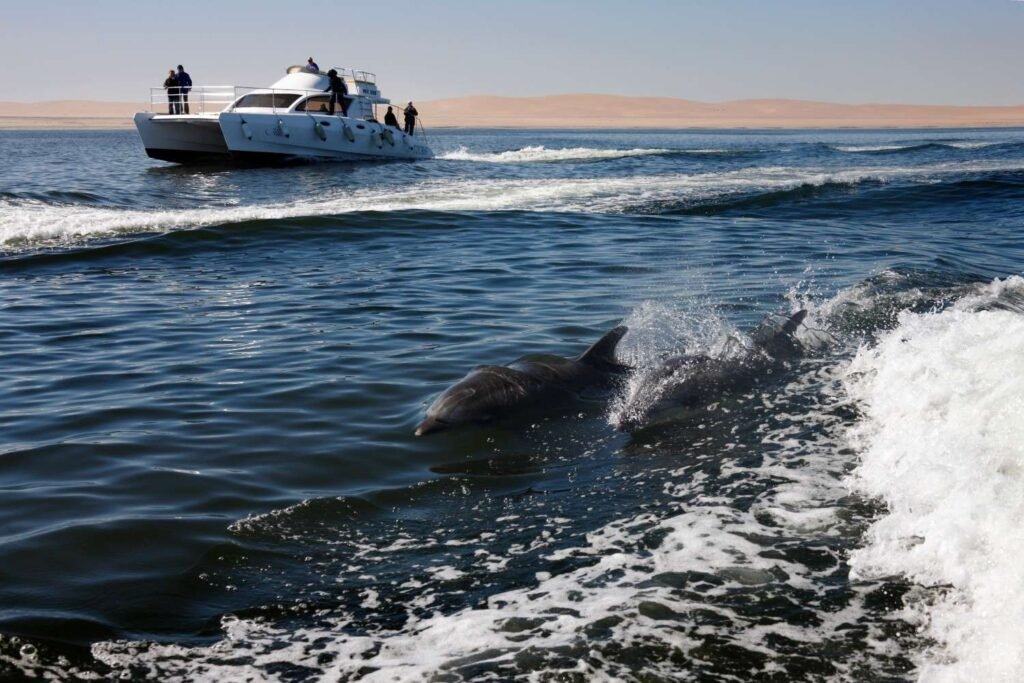
Dolphin watching tours start from coastal areas such as Sinquerim and Palolem. Licensed operators run these early-morning trips to observe dolphins in their natural sea environment.
These tours are short and follow wildlife safety guidelines to avoid disturbing marine life. Sightings are more common during calm sea conditions, especially in the early hours of the day.
River Cruises
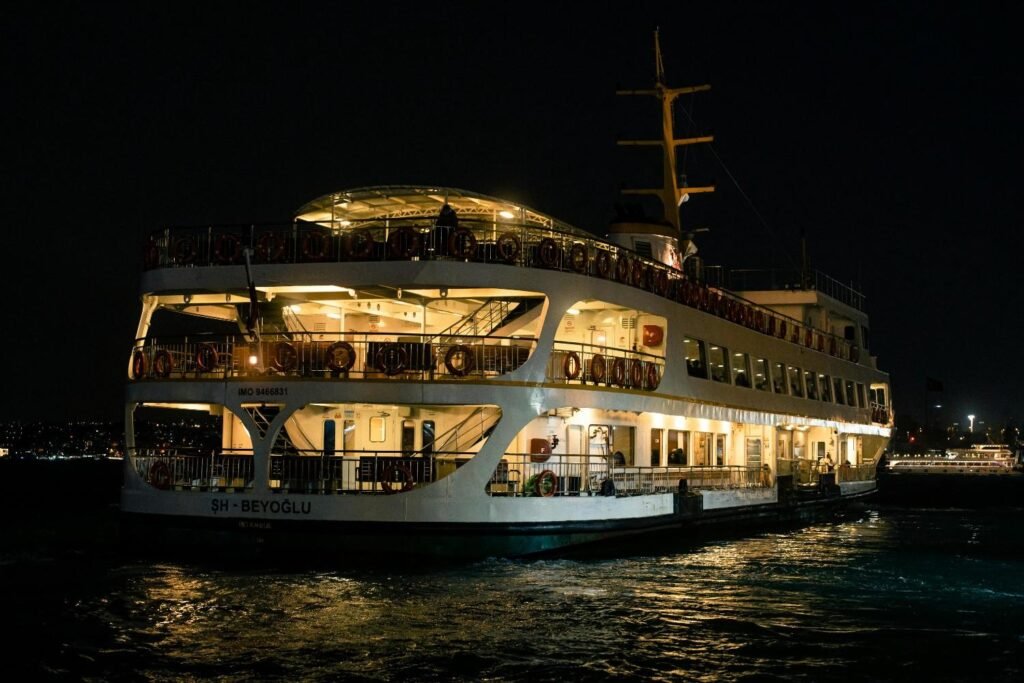
River cruises operate on the Mandovi River from Panaji and are a popular evening activity. These cruises combine sightseeing with traditional Goan music and dance performances.
Some cruises also include local food and cultural shows, making them suitable for families and groups. River cruises offer a relaxed way to experience Goa beyond the beaches.
Beach Leisure and Sunset Viewing
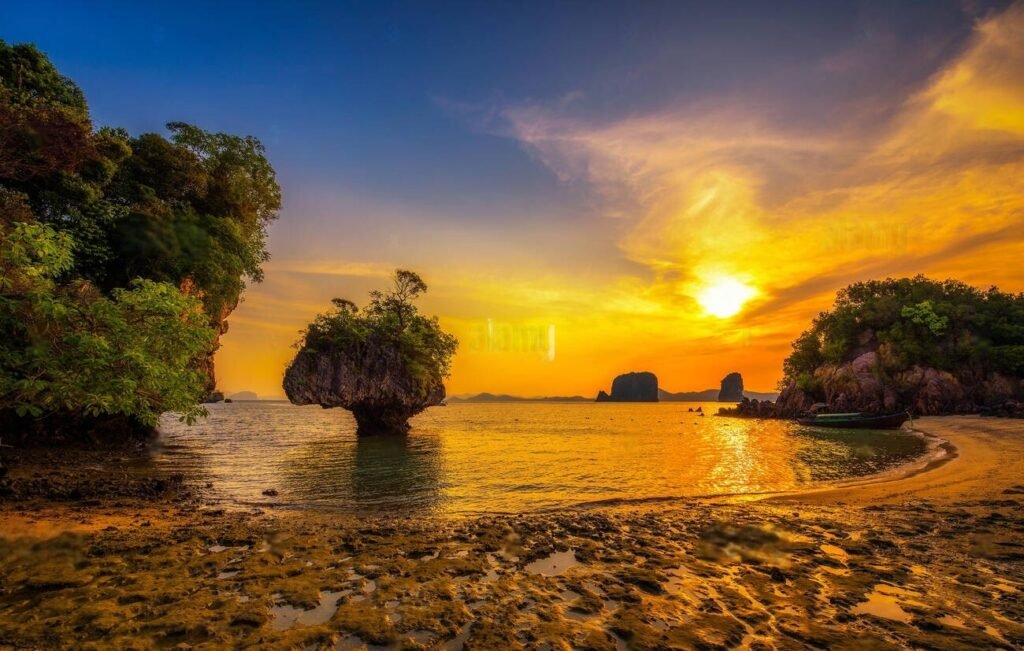
Relaxing on the beach is one of the most common activities in Goa. Visitors enjoy walking along the shoreline, sunbathing, swimming, and watching sunsets.
Beaches in both North and South Goa offer different experiences, from lively beachfronts to peaceful coastal stretches. Sunset views are especially popular at beaches with open horizons and cliff viewpoints.
Forts and Viewpoint Exploration
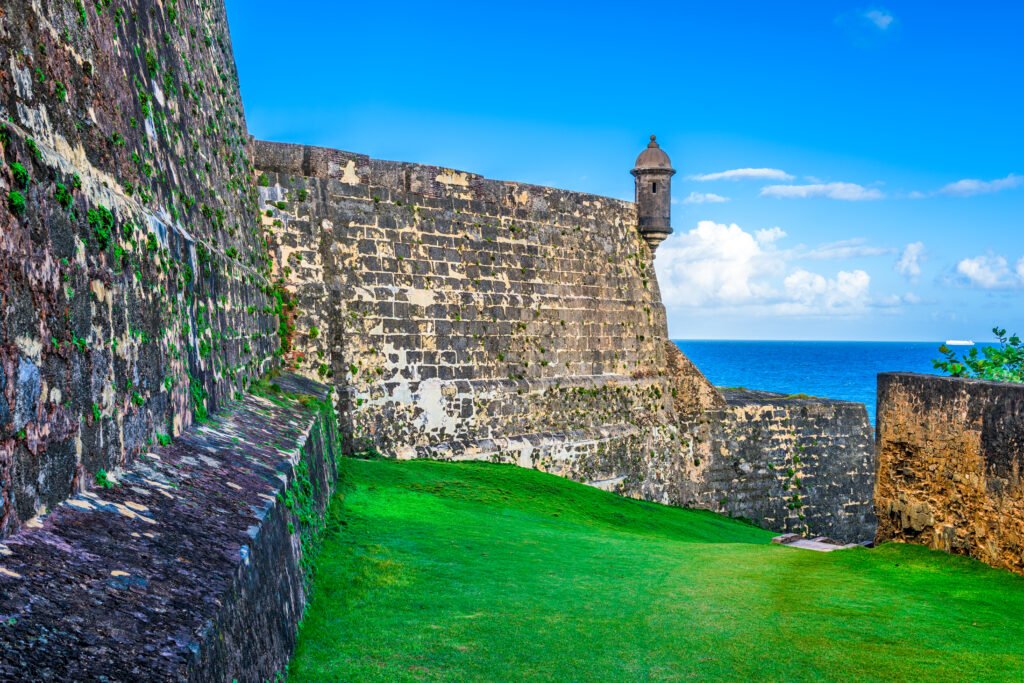
Goa has several coastal forts that offer scenic views of the sea and surrounding landscapes. These forts are easy to access and popular for photography and sightseeing.
Many travelers visit forts during sunrise or sunset for cooler weather and better views. These locations also provide insight into Goa’s historical coastal defense systems.
Spice Plantation Visits
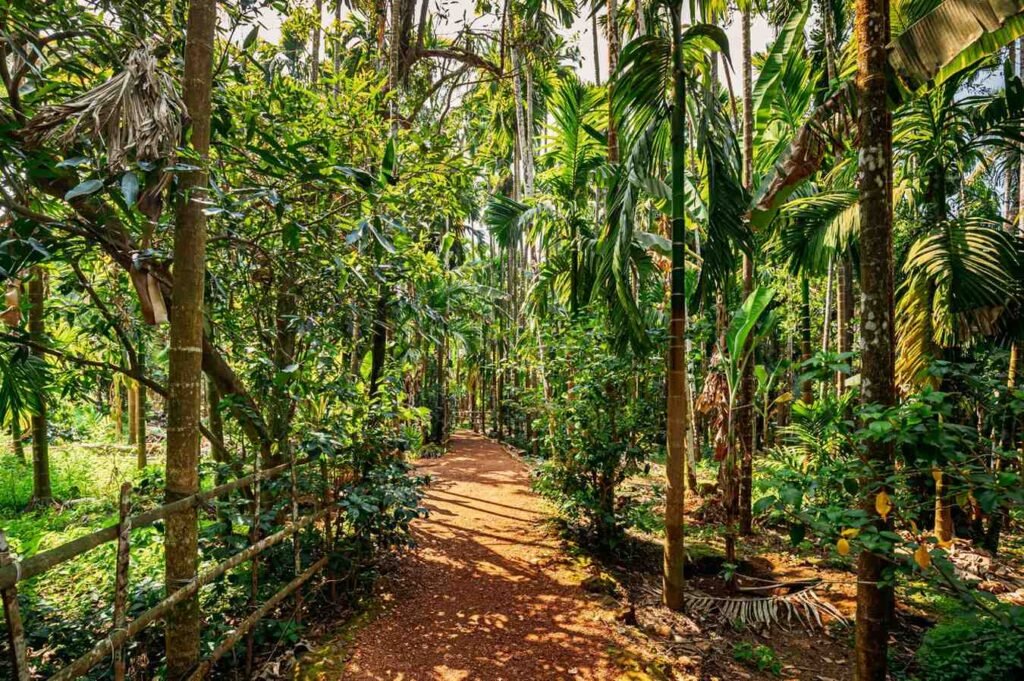
Spice plantations are located in the interior parts of Goa and offer guided tours. Visitors can see how spices such as pepper, nutmeg, and cardamom are grown.
These tours often include traditional meals and explanations of local farming methods. Plantation visits are suitable for families and travelers interested in local culture and agriculture.
Local Markets and Shopping Walks
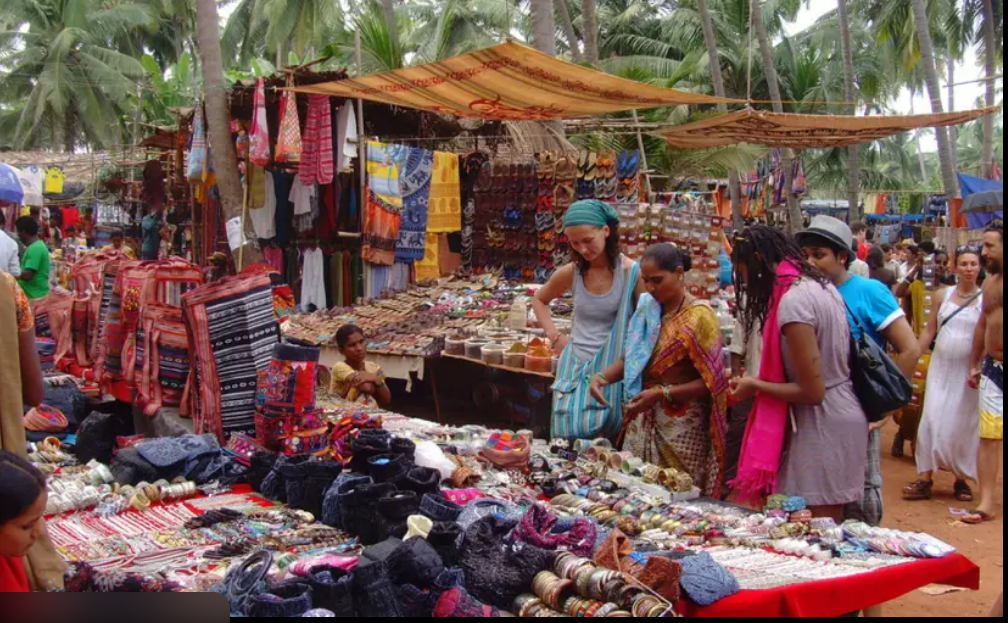
Shopping in Goa reflects its multicultural heritage, coastal economy, and local craftsmanship. Markets serve both tourism and local communities.
Major Shopping Locations
- Anjuna Flea Market
Known for handicrafts, jewelry, souvenirs, and imported goods. Popular with international tourists. - Mapusa Market
Traditional market offering spices, dried fish, produce, textiles, and daily essentials. - Panaji City Markets
Blend of modern retail and traditional shops, selling cashew products, ceramics, sweets, and clothing.
Yoga and Wellness Experiences
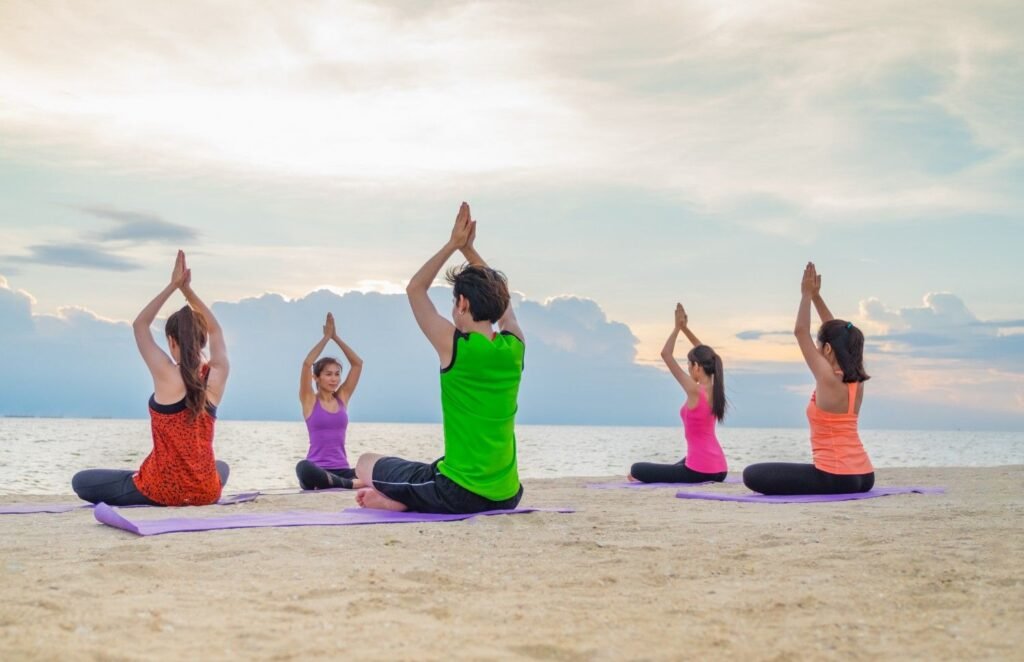
Goa is known for yoga retreats and wellness centers, especially in quieter beach areas. These programs focus on relaxation, meditation, and healthy living.
Many wellness stays offer short-term and long-term programs. This activity is popular among travelers seeking calm environments and stress-free holidays.
Best Time to Visit Goa
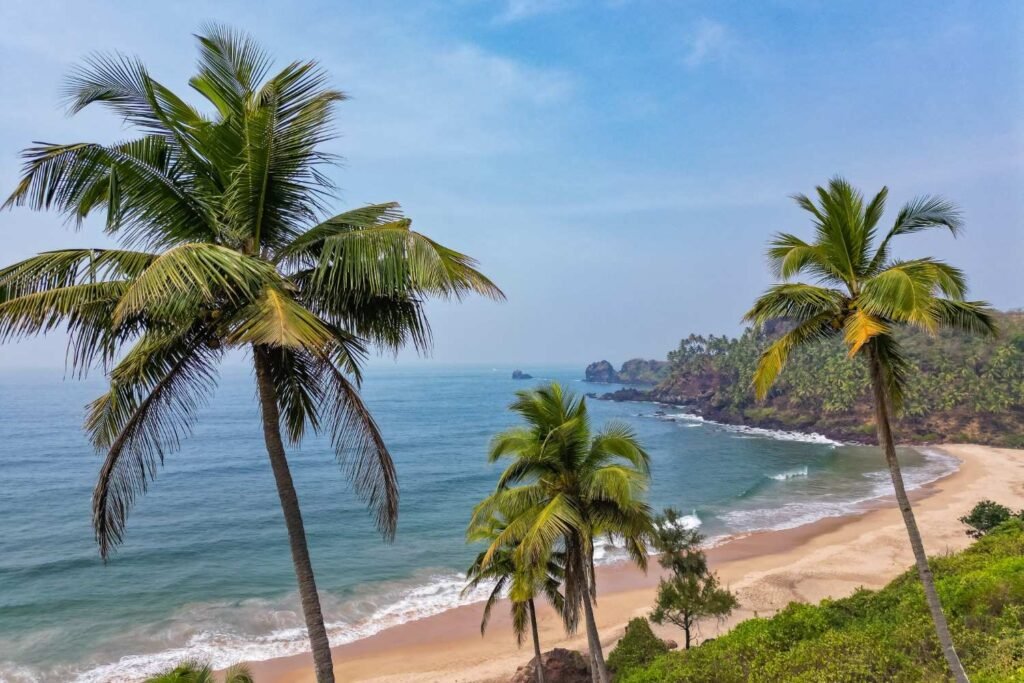
Goa’s tourism patterns are closely tied to its tropical climate, seasonal weather changes, and activity availability. The state experiences three distinct tourism seasons.
Seasonal Comparison Table
| Season | Months | Climate Characteristics | Tourism Activity Level | Suitable For |
| Winter Season | October – March | Dry weather, pleasant temperatures (20–30°C) | Peak season | Beach tourism, nightlife, festivals |
| Summer Season | April – May | Hot and humid, higher daytime temperatures | Moderate | Budget travelers, fewer crowds |
| Monsoon Season | June – September | Heavy rainfall, lush greenery | Low | Nature lovers, wellness retreats |
Goa Nightlife & Entertainment
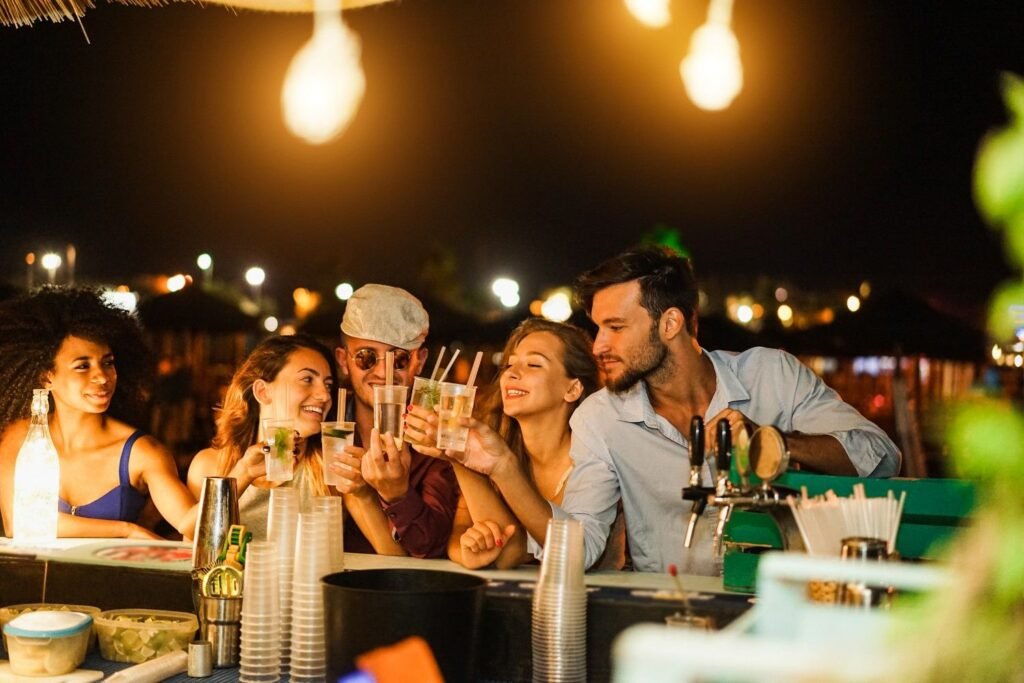
Goa’s nightlife scene is lively and diverse, drawing visitors from across India and around the world. After sunset, the state transforms from a beach destination into an energetic evening hotspot, offering everything from busy beach clubs to relaxed music lounges.
Government authorities regulate nightlife venues with licenses, safety standards, and operating guidelines. This helps create a safer and more organized environment for tourists and local visitors alike.
Where to Experience Nightlife in Goa
North Goa – The Party Capital
Nightlife is most active in North Goa, especially around popular beach areas such as Baga, Calangute, Anjuna, and Candolim. These zones feature:
- Beach bars and shacks with DJ sets and group gatherings
- High-energy nightclubs with live music and dance floors
- Sunset lounges and open-air venues with electronic and world music
- Frequent events during peak season (November to February) when music festivals and parties are at their busiest.
South Goa – Relaxed Evenings
South Goa offers a calmer nightlife experience. While not as crowded as the north, it still has beachside venues, quieter bars, and cultural entertainment, perfect for couples, families, and travelers who prefer relaxed evenings.
Popular Nightlife Experiences

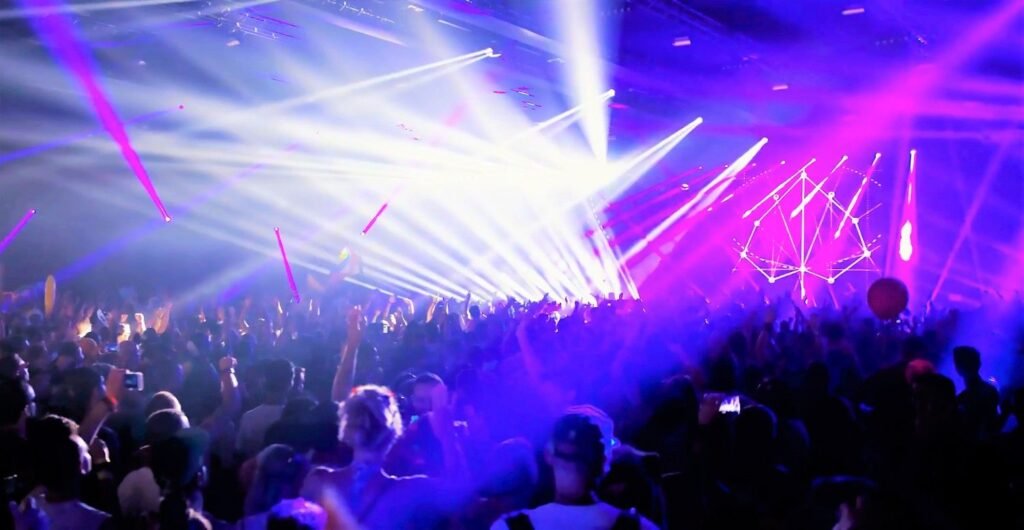
Clubs and Dance Venues
Goa is known for its nightclubs that often stay open late into the night. These venues host themed nights, international and local DJs, and special music events, giving visitors plenty of choices for after-dark entertainment.
Beach Parties
Beach parties are a signature part of Goa’s nightlife. They often begin near sunset and continue under the stars, offering music, dance, bonfires, and open-air gatherings on sandy shores.
Live Music and Cultural Nights
Live music is also a big part of Goa’s evening culture. Acoustic sets, jazz nights, and fusion music shows are hosted at bars and lounges, adding cultural diversity to the nightlife scene.
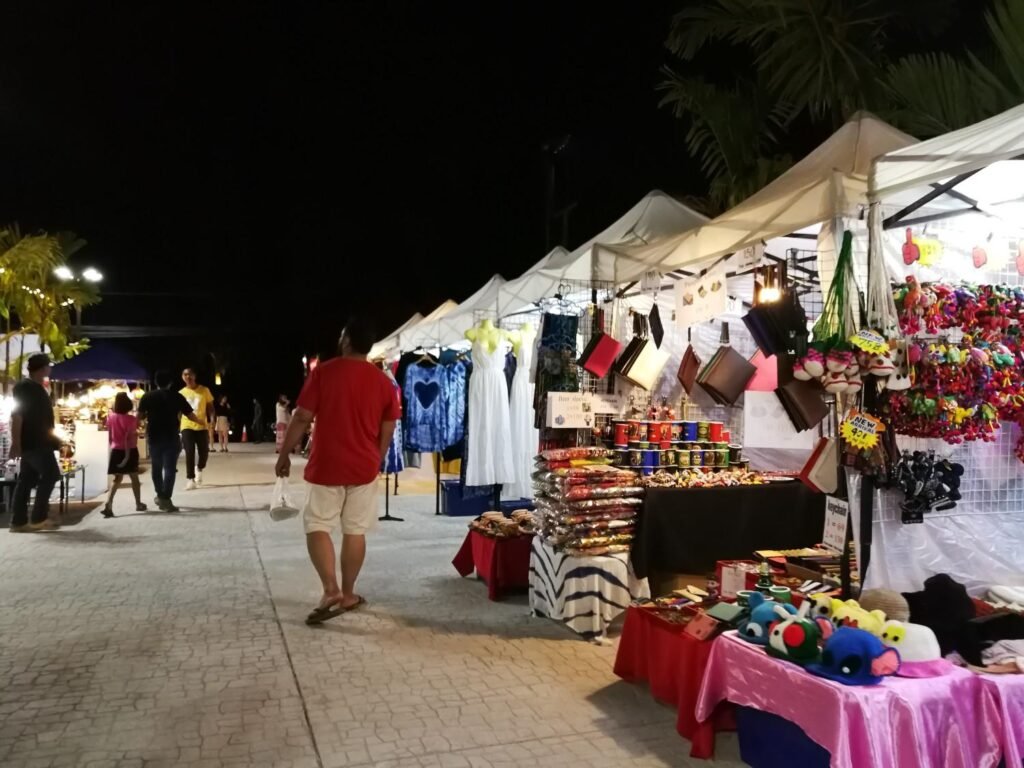
Night Markets
Goa’s night markets are lively after dark, offering local food, handcrafted goods, and a festive atmosphere. These markets are social spaces where music, culture, and shopping blend together.
Casinos and Gaming Nights

Goa is one of the few places in India where offshore and onshore casinos are legally allowed. Floating casinos on the Mandovi River are popular evening attractions. They offer gaming like poker and roulette, fine dining, and live shows, adding variety to the nightlife options.
Tips for Enjoying Goa’s Nightlife
- Plan ahead: Many clubs and beach parties are seasonal, especially in peak tourist months.
- Mix experiences: Enjoy busy clubs one night, then try a relaxed beach shack or live music venue the next.
- Stay safe: Use licensed transport at night and stick to well-lit areas.
Final Thoughts: Why Goa Should Be Your Next Trip
So, is Goa really worth visiting? Without a doubt.
Goa is much more than beaches and parties. It’s a place where you can slow down, explore culture, enjoy great food, and still find excitement when you want it. One moment you’re relaxing by the sea, and the next you’re discovering local markets, historic churches, or enjoying music by the beach. That mix is what makes Goa special.
Yes, Goa is popular and for good reason. When you experience the warm sunsets, friendly vibe, and easy-going lifestyle, it’s easy to see why people return again and again. Goa offers memories, not just photos.
If you’re planning to turn that idea into a real trip, booking through Gomayu Holidays makes the journey simple and stress-free. With customized Goa travel packages that cover stays, transfers, sightseeing, and experiences, you can focus on enjoying the destination instead of managing the details.
Travel with care, respect the local culture, and take your time exploring. Goa has a way of staying with you long after the trip ends and when you’re ready, it’s waiting for you.



 Continue with Whatsapp
 Continue with Messenger


