

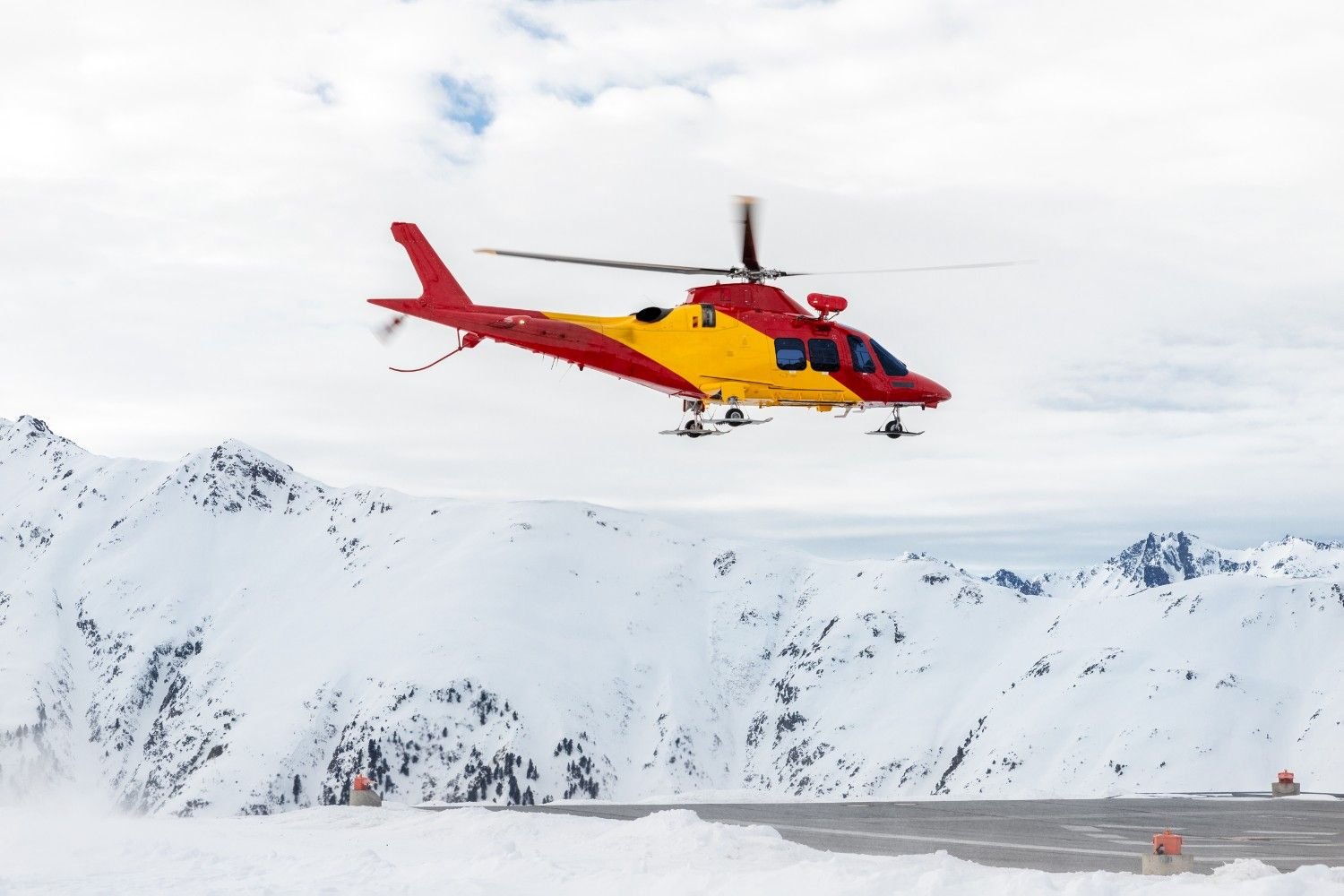
Everest Heli Tour – Fly to World’s Highest Peaks
Copy link
Download (PDF)
Country
Nepal
Best Season
All Season
Duration
3 Hours
Highlights
Key Experiences of the Tour
- Aerial views of Mount Everest (8,848.86 m) – the world’s highest peak, with close-up circling for photography
- High-altitude landing at Kalapatthar Zone (~5,000 m) – closest ground-level proximity to Everest and Khumbu Icefall
- Breakfast at Hotel Everest View (3,880 m) – Guinness World Record holder for highest-placed hotel, with 270° mountain panorama
- Witness the Terracotta Army of the Himalayas – Terracotta Warriors-style view of Everest Base Camp tented city (seasonal, April–May & September–October)
- Overflight of Namche Bazaar – aerial view of the Sherpa capital and gateway to Everest region
- Close encounters with Ama Dablam (6,812 m) – “Matterhorn of the Himalayas” with its iconic hanging glacier
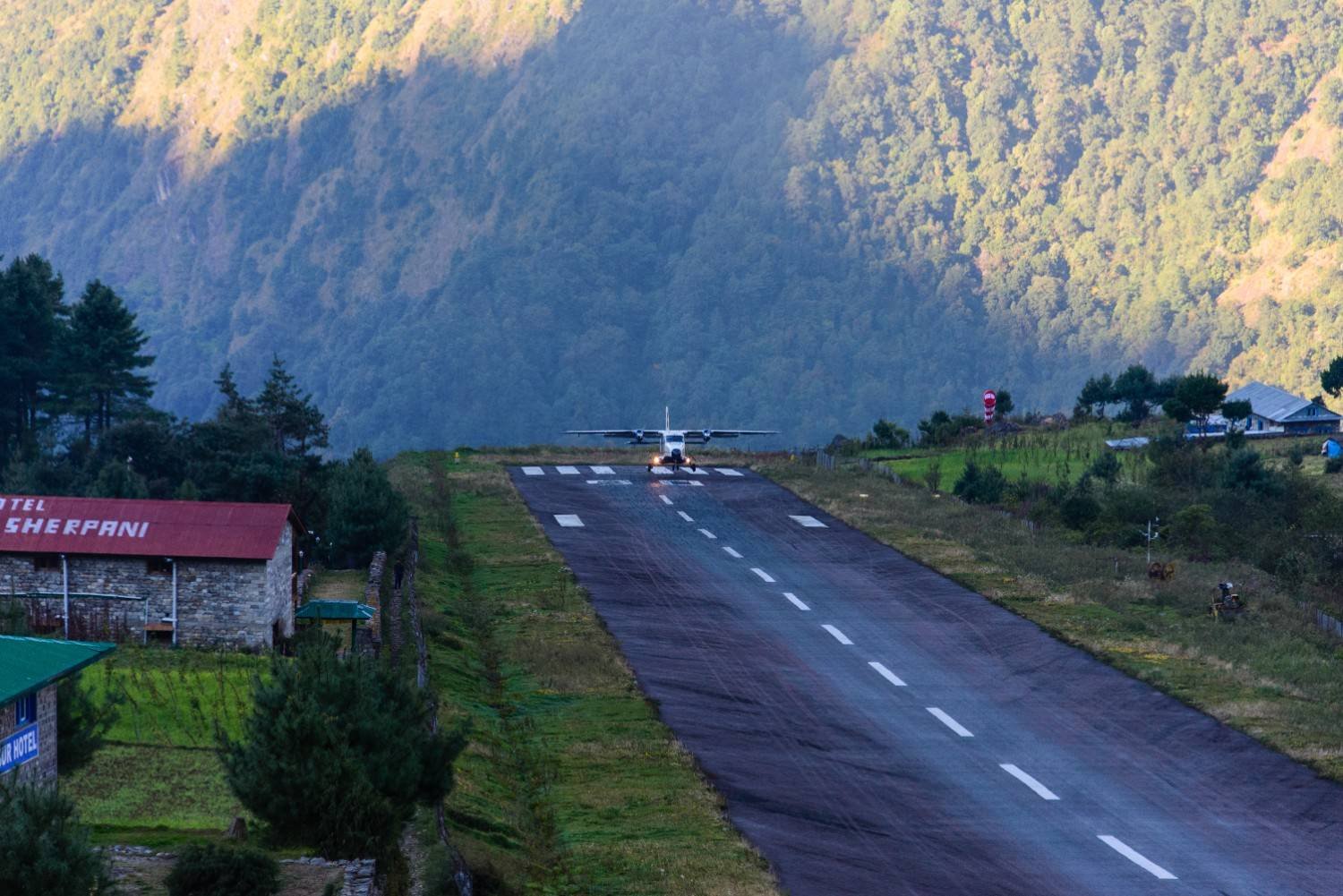
- Tenzing-Hillary Airport (Lukla) landing – refueling stop at one of the world’s most dangerous airports (runway: 527 m with 12% gradient)
- Khumbu Icefall views from above – the treacherous maze of seracs and crevasses climbers navigate on Everest’s south route
- Lhotse (8,516 m) & Nuptse (7,861 m) panoramas – fourth-highest peak and its neighboring giant, visible throughout flight
- Syangboche Airstrip proximity – land at 3,720 m, just steps from Hotel Everest View’s viewing terrace
- Sunrise departure over Kathmandu Valley – witness the transition from urban sprawl to Himalayan wilderness
- Tengboche Monastery overflight – aerial view of Khumbu’s spiritual heart (rebuilt 1993)
Google Reviews
What Our Customers Say




And our special thanks to Kristina Ji and entire team.
We had an amazing family trip to Singapore organised by Gomayu Holidays. Everything was perfectly planned—from flight bookings and hotel arrangements to sightseeing and private transport. The itinerary was family-friendly, well-timed, and stress-free.
The team was very supportive, responsive, and professional throughout the trip. Our family truly enjoyed every moment, and all arrangements went smoothly. Thank you, Gomayu Holidays, for making our Singapore trip memorable. Highly recommended for family tour

Best regards Karsang Doma Sherpa
Our recent trip to Vietnam and Thailand with Gomayu Holidays was an extremely wonderful experience. From start to finish, everything was perfectly organized, making the journey smooth and stress-free. We are extremely satisfied with their services and grateful to have chosen Gomayu Holidays for this trip.
From the bottom of our hearts, we would like to give a special thanks to Ms. Surakshya Ghimire and Mr. Elho Tamang for making our trip truly memorable. Quick response from the team, truly hats off!
Kudos to the team for their quick response!

From visa to the end of our tour, all coordination, pickups, hotels and activities, all things were flawless. Not even a single compliment. Really impressed and happy. Thank you

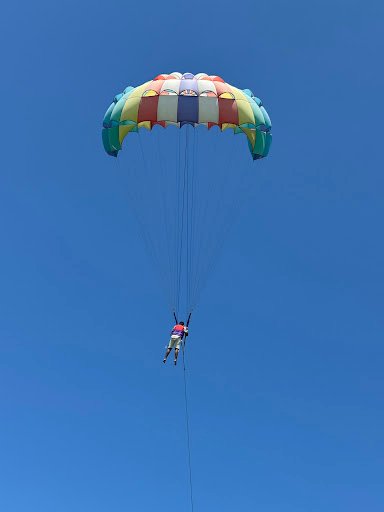
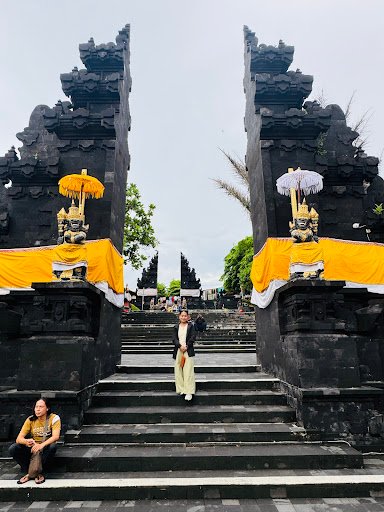
Our stay was split between a beautiful private pool villa in Seminyak and a comfortable room at Grand Mega Resort, both of which exceeded expectations. The itinerary was well-balanced with adventure, culture, and relaxation. We really enjoyed the watersports (banana boat, jet ski, parasailing), the stunning Uluwatu Temple with Kecak dance, and the romantic candlelight dinner at Jimbaran Beach. The Bali swing and tandem ATV ride were absolute highlights and so much fun! Visiting Lempuyang Temple (Gate of Heaven) was magical and very well arranged despite the crowds. We had some spare time to visit the malls and try local food as well.
Special thanks to the guide and driver, who was friendly, helpful, super-flexible and always made sure we were comfortable. We didn’t have to worry about anything as everything was well-organized.
Highly recommended for anyone planning a hassle-free and memorable Bali trip. Thank you, Gomayu Holidays, for making our holiday truly special!

We had to keep postponing the trip, but the sales associate I was in communication with, remained patient and professional. We were also able to customise our iteneray for the trip.
And while on the trip, all transfers were in great condition. We had prior knowledge for all the pickup timings and vehicles.
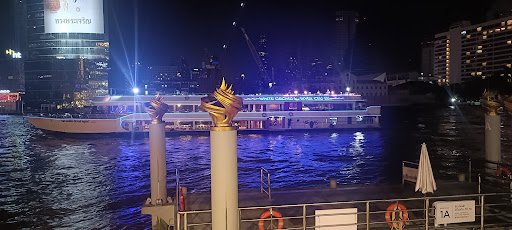
We had minors issues. Two or three instances, where the transfers were late. We were expecting the window seats in the dinner cruise in Bangkok, we had the aisle. And some airport guidance would have been helpful for us first timers.
And since my Mom has trouble walking long distances, we had to figure out how to use the buggy cart service at Sanctuary of Truth on our own. I had asked the agency for some assistance, but either they were unaware of this facility provided freely by the museum, or some other reason.
However, any complaints were dealt with great responsiveness and sincerity.
Overall, I would recommend Gomayu for your travels, and we would definitely consider travelling through them again in the future.

Thank you, guys!


I especially want to appreciate the support from the staff member Suraksha. She was always available, very patient, and quick to respond whenever we had questions or needed help. Her support made a big difference and gave us a lot of confidence throughout the trip.
I use a wheelchair, and I truly appreciate the effort GoMayu made to ensure the trip was accessible and comfortable for me. From hotels to transport and activities, they were thoughtful and supportive, which allowed me to enjoy the trip without worry.
Overall, it was a memorable and enjoyable family trip. I would happily recommend Go Mayu to anyone looking for a reliable and caring travel company.

A special thanks to Khristina Shrestha mam for her clear guidance and honest influence throughout our Vietnam tour. She explained every detail transparently, answered all our questions patiently, and helped us choose what was genuinely best for us. Her professionalism and honesty made us feel confident and comfortable while traveling.
My husband and I thoroughly enjoyed our Vietnam trip, and much of the credit goes to the dedicated support and guidance we received. We are also sharing some pictures from our trip to capture the beautiful memories we made.
We highly recommend Gomayu Travels to anyone looking for reliable and trustworthy travel services.

We will definitely book our next trip from you guys .
Thank you so much team and thank you for everything.
See you soon


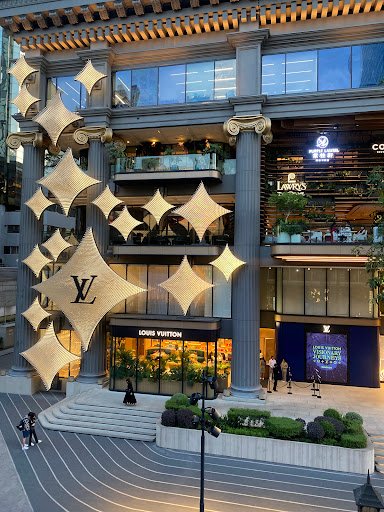
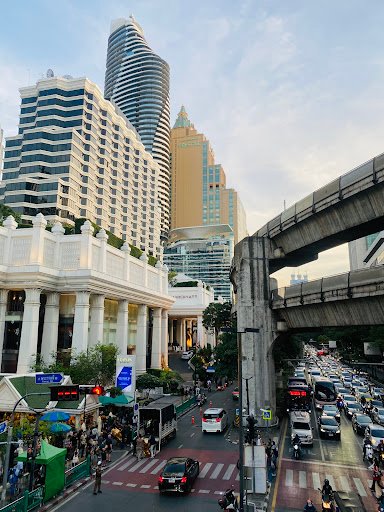
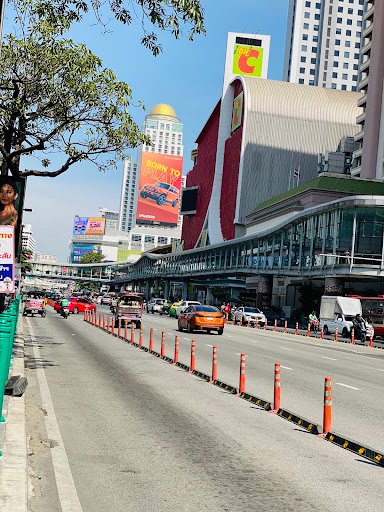
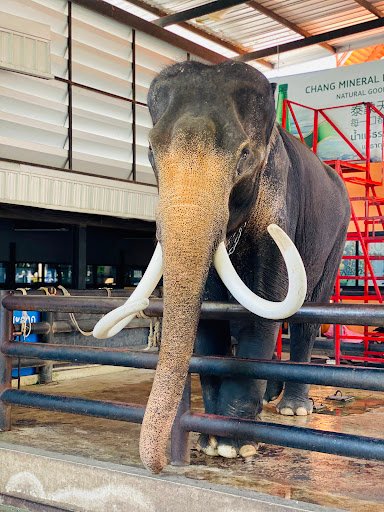
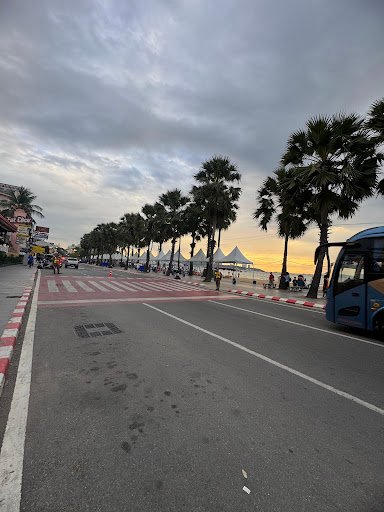
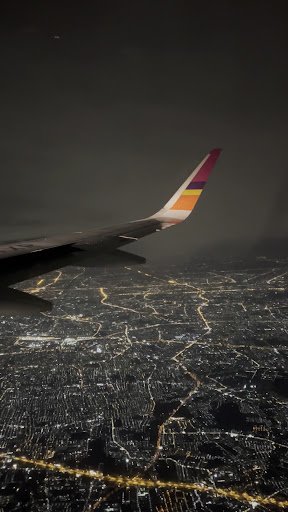
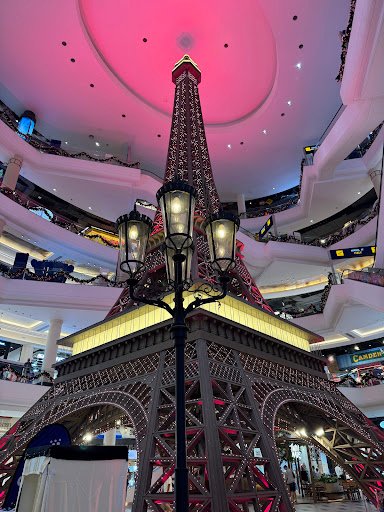

They provided us with an English-speaking driver who explained every detail throughout our journey, making the trip incredibly informative and enjoyable. The itinerary was well-structured and seamless, and we didn’t have to worry about breakfast since the hotel they booked included it for free.
Elho from Gomayu made the entire experience even smoother by keeping us connected through a WhatsApp group with everyone involved in the trip. I cannot thank them enough for the outstanding service. I highly recommend planning your next vacation with Gomayu Holidays- they are truly EXCELLENT.
A special heartfelt thank you to Krishtina and Elho from Gomayu Holidays!
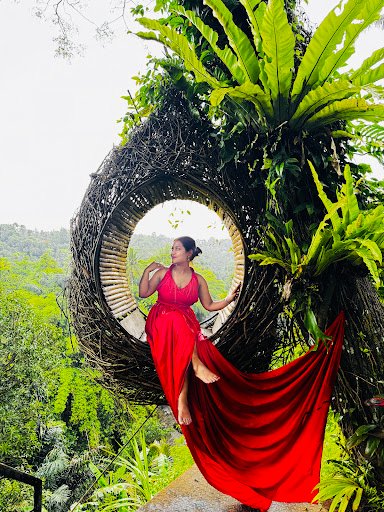
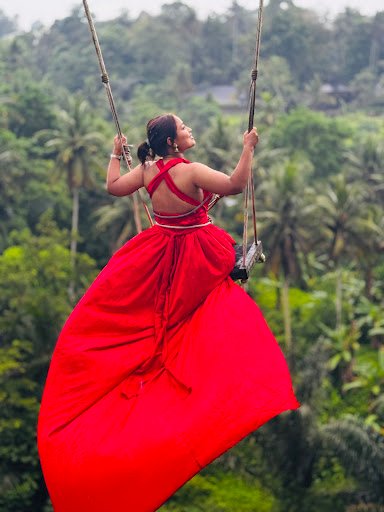
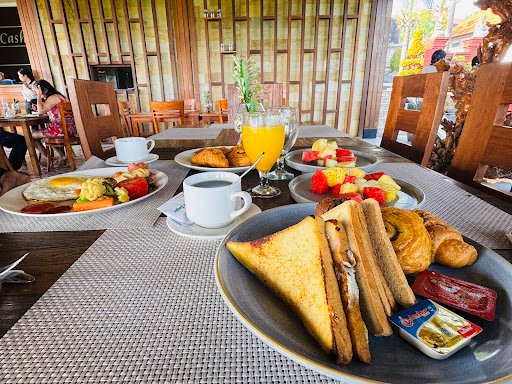
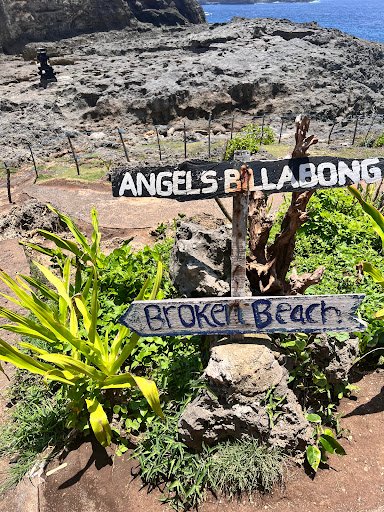
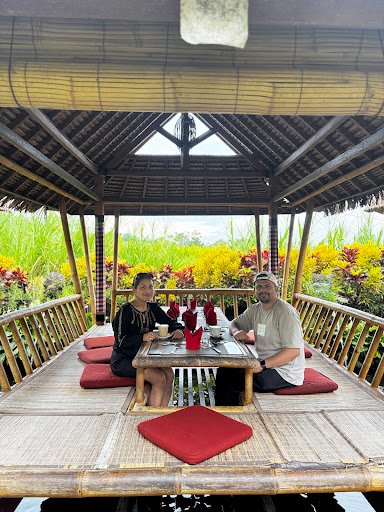

I really appreciate how they kept me informed at each step and ensured I had all the necessary instructions in advance. The team was always approachable and quick to respond to any questions. Because of their efficient coordination, my trip went smoothly without any stress.
The Meet & Greet services, hotel arrangements, and tours like Phi Phi Island and the Chao Phraya Dinner Cruise were all handled professionally. I especially liked how they reminded me about things like packed breakfasts, national park fees, and what to carry during excursions.
Especially Mr. Elho Tamang — he was exceptionally helpful and always ready to guide me with the best possible options.
Overall, Gomayu Holidays made my travel experience comfortable, enjoyable, and worry-free. I truly appreciate their efforts and outstanding communication throughout the trip.
Highly recommended for anyone planning a hassle-free holiday! 🌟✈️🌴
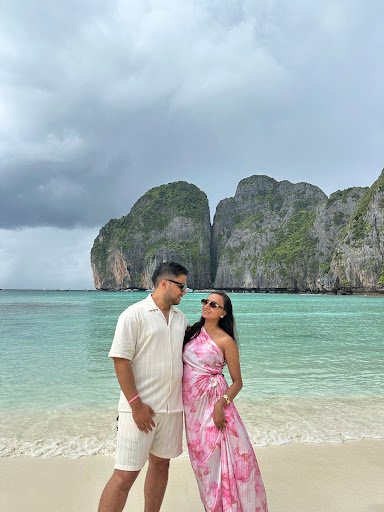
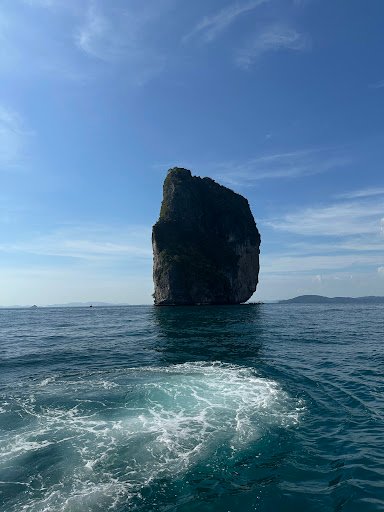
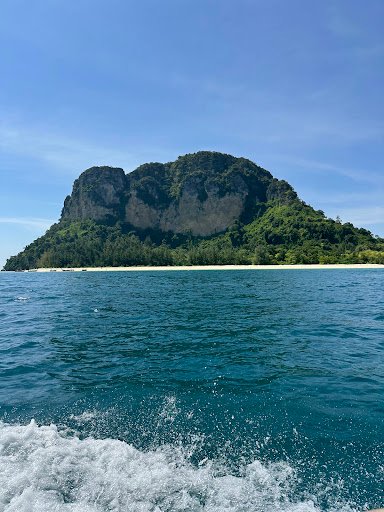
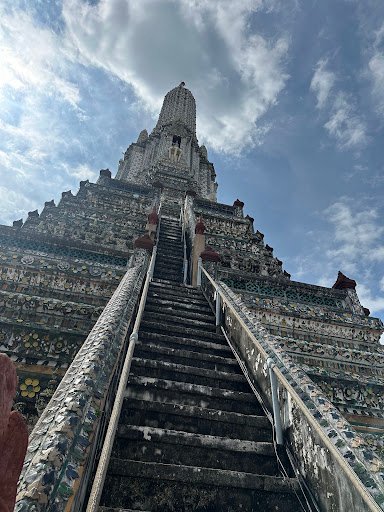
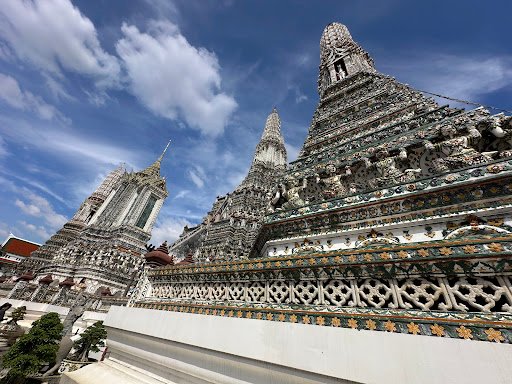
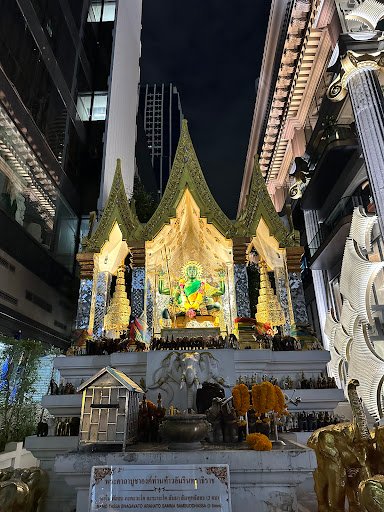

I also enjoyed exploring other places like Bangkok and Krabi. Bangkok’s temples, night markets, and food were incredible—full of energy and culture. Krabi impressed me with its stunning cliffs, calm beaches, and friendly locals.The entire tour was well-organized, comfortable, and hassle-free. Transportation, hotels, and activities were handled smoothly, allowing me to enjoy every moment without stress. Every day felt like a new experience, full of beauty and excitement.
Specially Thanks to MrElho tamang and Nilaya Sir for the best cooperation and respect you guyz make our tour so comfortable and enjoyable. Hope to meet you both in another trip with same friendly expressions and services.

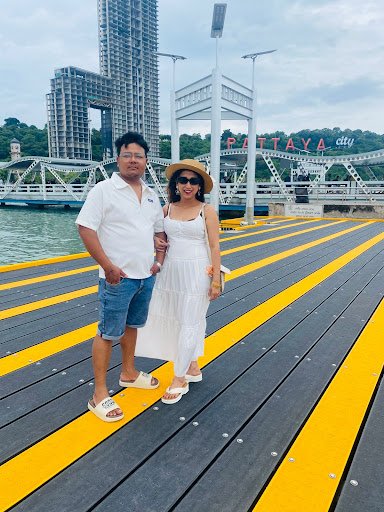
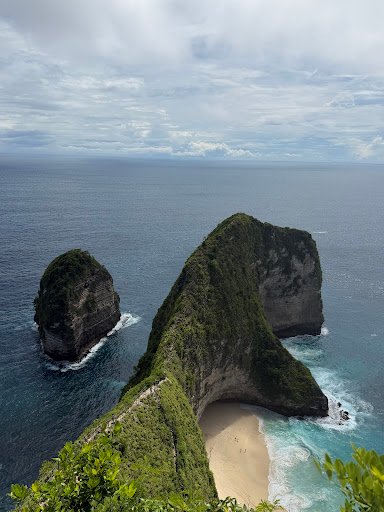
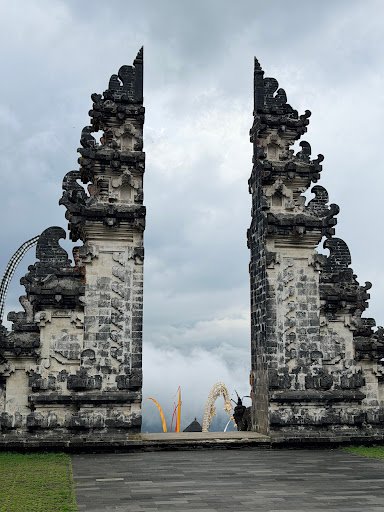

I recently booked my trip with Gomayu Travel for Thailand and I’m truly impressed with their service. From the planning phase to the final day of the trip, everything was smooth, well-organized, and stress-free. The team was very responsive specially Mr .Elho Tamang and Mr .Pradeep Banjara .They were very helpful, and always ready to guide me with the best options.
The itinerary was perfectly arranged, the accommodations were comfortable, and all transfers were on time. I really appreciated their attention to detail and friendly customer service. It made my whole travel experience enjoyable and memorable.
Highly recommended for anyone looking for a reliable and professional travel agency. I would definitely book with them again! ✈️✨

Maps
Navigate Your Journey
Itinerary
Your Journey, Step by Step
Pre-Departure (Reporting Time: 5:30–6:00 AM)
- Arrival at Tribhuvan International Airport – Domestic Terminal
- Completion of check-in formalities
- Passenger weight check & final seating arrangement
- Safety briefing: helicopter features, altitude considerations, oxygen system, and photography guidelines
- Escort to helicopter bay and boarding
Kathmandu ➝ Lukla (Approx. 45 minutes)
- Helicopter departs Kathmandu heading northeast
- Aerial views of:
- Kathmandu Valley
- Jugal & Langtang Himalayan ranges
- Mountain terraces, rivers, and Sherpa settlements
- Landing at Lukla Airport (2,860 m) for refueling (5–10 minutes)
- Guests remain close to the aircraft (short break, photos allowed)
Lukla ➝ Everest Region (Approx. 20–25 minutes)
- Scenic flight over:
- Namche Bazaar
- Syangboche Ridge
- Tengboche Monastery
- Ama Dablam, Thamserku, Kangtega
- Entry into Khumbu Valley with panoramic views of:
- Lhotse (8,516 m)
- Nuptse (7,861 m)
- Everest (8,848.86 m)
- Pilot circles key viewpoints for optimal photography
Landing at Everest Viewpoint (Kalapatthar Zone)
Duration: 8–10 minutes (weather & weight permitting
- Landing near the Kalapatthar viewpoint (approx. 4,000–5,000 m)
- Closest available aerial + on-ground view of:
- Mount Everest
- Khumbu Icefall
- Everest Base Camp area
- Short stay due to high altitude and wind conditions
⚠️ Important note:
Landing is strictly dependent on weather and operational conditions.
If landing is not possible, the experience will proceed as an aerial viewing flight only.
Breakfast Stop at Everest View Hotel
Duration: 20–30 minutes
- Descend to Hotel Everest View (3,880 m)
- Scenic landing at Syangboche
- Leisure time for:
- Hot breakfast
- Panoramic photography
- Mountain viewing deck exploration
Return Flight – Hotel Everest View ➝ Lukla ➝ Kathmandu
Flight Time: ~45 minutes (including refuel stop)
- Return to Lukla for a quick final refueling
- Final leg back to Kathmandu with sweeping Himalayan views
- Landing at TIA Domestic Terminal
- End of tour & assistance by the ground crew
Inclusions
What’s Covered in Your Adventure
Includes
- Round-trip helicopter flight from Kathmandu (TIA Domestic Terminal) to Everest region and return
- All aviation permits and fuel surcharges
- Sagarmatha National Park entry fee (NPR 3,000 per person)
- Airport taxes and helipad landing fees (Lukla, Syangboche, Kalapatthar Zone)
- High-altitude landing at Kalapatthar Zone (weather and weight permitting)
- Hot breakfast at Hotel Everest View, Syangboche (Continental + Sherpa-Tibetan cuisine)
- English-speaking pilot with safety briefing
- Supplemental oxygen bottles onboard (provided free if needed at high altitude)
- Safety equipment (life jackets, first aid kit, emergency communication devices)
- Hotel Everest View viewing terrace access and museum entry (if open)
- All government taxes and service charges
Excludes
- Hotel pick-up/drop-off from Kathmandu accommodations (guests self-arrange transport to TIA Domestic Terminal; confirm if needed)
- Travel insurance with mandatory helicopter evacuation coverage (confirm)
- Personal expenses (souvenir purchases, additional beverages beyond breakfast service)
- Tips for pilot and ground crew (customary: USD 10–15 per passenger for pilot, USD 5 per passenger for ground staff)
- Private charter upgrade (if opting for entire helicopter versus shared flight)
- Optional upgrades: GoPro footage, premium breakfast, extended landing time, VIP lounge access
- Warm clothing rental (guests must bring own jackets, gloves, hats suitable for -10°C to -20°C)
- Professional photography service (if arranged separately)
- Any expenses arising from flight cancellation/delay due to weather (rebooking or refund per operator policy – confirm)
Good to Know
Your Journey, Step by Step
Currency
- Nepalese Rupee (NPR) is the local currency. USD is widely accepted for tour payments.
- Bring small bills (NPR 100–500) for tips and souvenir purchases at Hotel Everest View.
What to Wear
- Essential: Warm layered clothing (temperatures -10°C to -20°C at Kalapatthar Zone)
- Down jacket or insulated winter coat
- Thermal base layers (top and bottom)
- Warm hat covering ears
- Insulated gloves or mittens
- Warm socks and closed-toe shoes (hiking boots or winter boots recommended)
- Sunglasses with UV protection (snow glare at high altitude)
- Sunscreen (SPF 50+) and lip balm
- Small backpack for personal items (camera, phone, water bottle)
Photography Tips
- Cameras and phones allowed throughout flight (no flash during takeoff/landing)
- Secure all equipment with straps during helicopter movement
- Best photography windows: Left side of helicopter for Everest views during approach; right side during return
- GoPro mounts available for rental (confirm)
Safety & Emergency
- All helicopters certified for high-altitude operations (up to 23,000 ft / 7,010 m)
- Pilots hold commercial helicopter licenses with mountain flying endorsements
- Emergency evacuation protocol: Immediate descent if passenger experiences severe altitude sickness
- First aid kit and emergency communication devices onboard
- Travel insurance with helicopter evacuation coverage mandatory (confirm)
Communication
- Mobile network coverage available in Kathmandu and Lukla; limited/no coverage in Khumbu Valley and at high-altitude landing zones
- Wi-Fi not available during flight
- Hotel Everest View has limited Wi-Fi (confirm)
Travel Insurance
- Mandatory coverage: Helicopter evacuation, trip cancellation, medical emergencies, altitude sickness
- Recommended providers: (confirm – typically World Nomads, Allianz, IMG Global)
- Policy must cover activities up to 6,000 m altitude
FAQs
Your Questions, Answered
What is the best time for the Everest Helicopter Tour?
The best time is during spring (March–May) and autumn (October–November) when weather is clearest and mountain visibility is excellent. Success rate during these months is 85–90%. Winter (December–February) flights operate but are more weather-dependent. Monsoon season (June–August) has frequent cancellations.
How long is the entire Everest Helicopter Tour?
Total duration is approximately 3 hours from check-in to return. This includes 30 minutes pre-flight (check-in, briefing, boarding), 45 minutes Kathmandu to Lukla, 20–25 minutes Lukla to Everest, 8–10 minutes high-altitude landing, 20–30 minutes breakfast at Hotel Everest View, and 45 minutes return to Kathmandu.
Is the Everest Helicopter Tour safe?
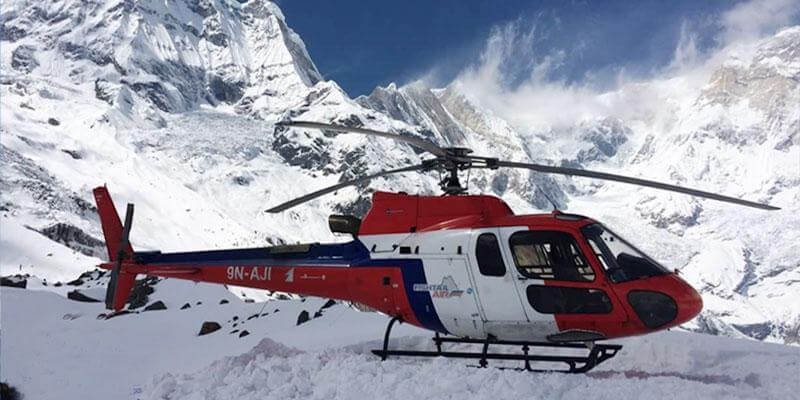
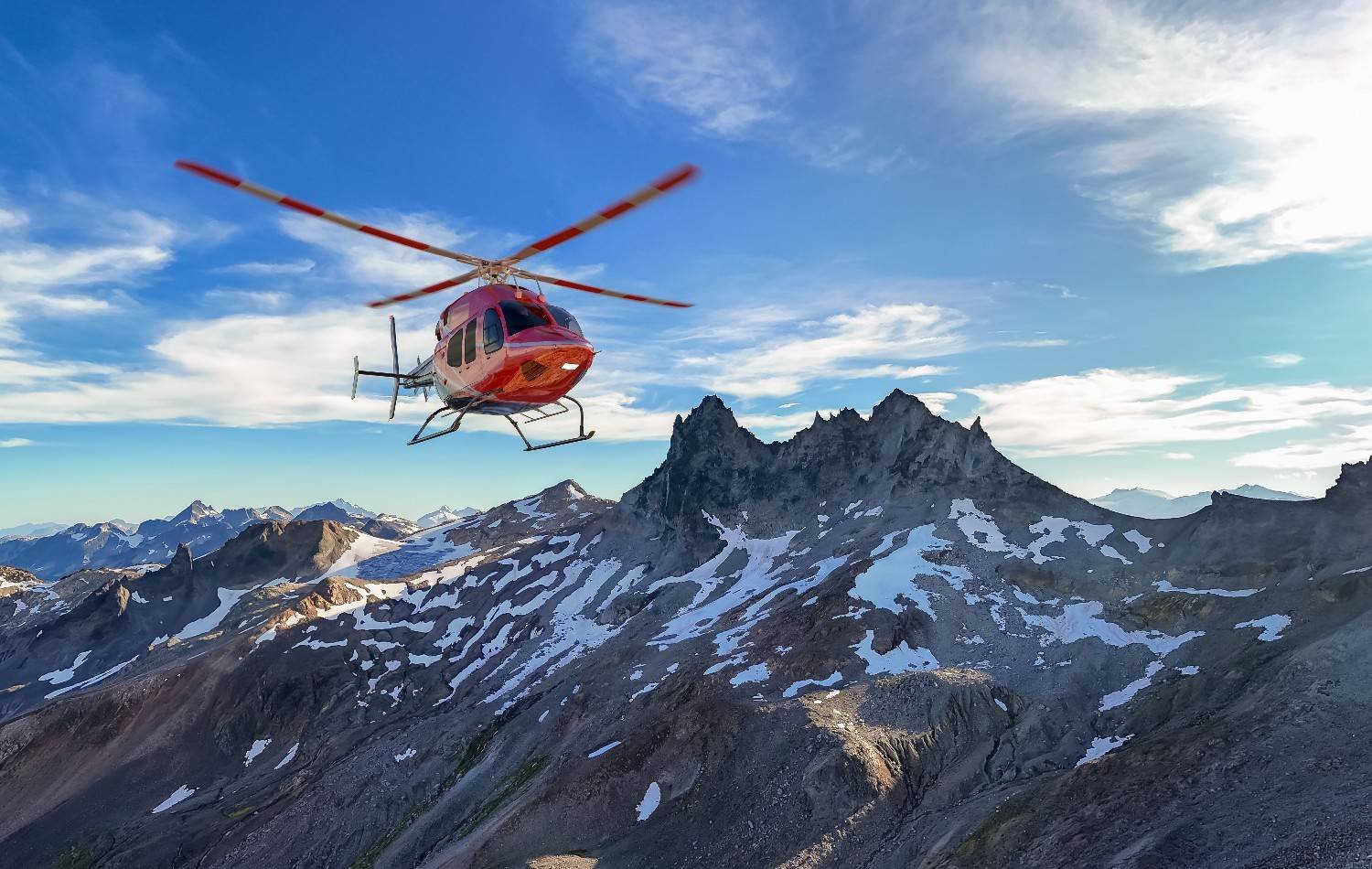
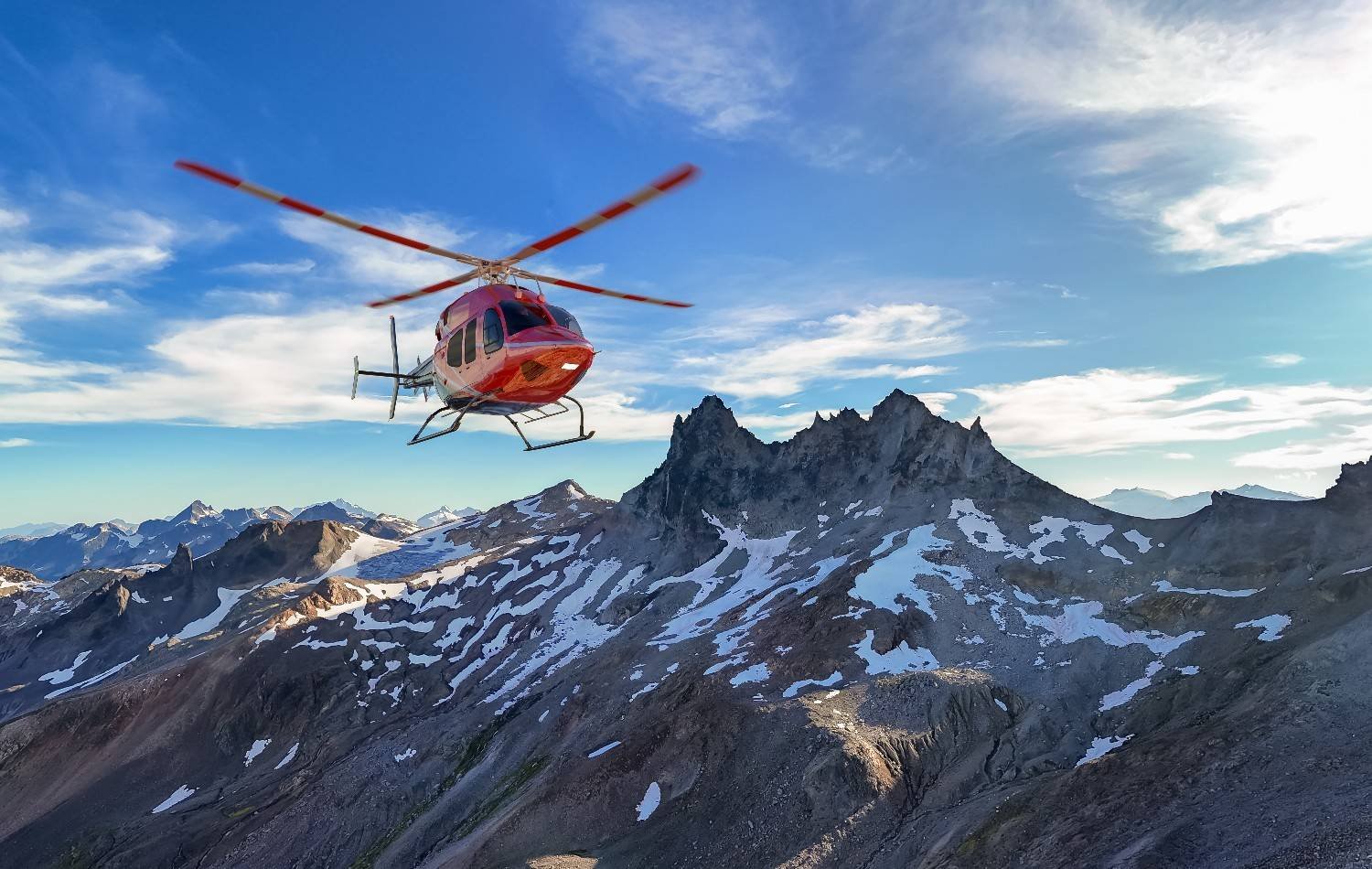
Yes. All helicopters are high-altitude certified (Airbus AS350 B3e or Bell 407) and maintained to international aviation standards. Pilots hold commercial licenses with mountain flying endorsements. Supplemental oxygen is available onboard. However, all flights are subject to weather conditions operators prioritize safety and may cancel or delay flights if conditions are unsafe.
What is the difference between shared and private helicopter flights?
Shared flights accommodate up to 5 passengers and depart at fixed times (typically 6:00–6:30 AM). High-altitude landing may be done in shuttles if total weight exceeds limits. Private charters give you the entire helicopter for your group (up to 5 passengers) with flexible departure timing, guaranteed individual landing, and options for extended time at landing zones. Private charters cost more but offer greater flexibility and privacy.
Can I customize this Everest Helicopter Tour?
Yes. You can upgrade to a private charter for flexible timing, extend landing time at Kalapatthar Zone (+5 minutes, weather permitting), upgrade breakfast at Hotel Everest View (yak cheese omelet, buckwheat pancakes), add in-flight GoPro footage, or combine with multi-day Kathmandu or Pokhara packages. Contact us for tailor-made options.
Do I need to be physically fit for this tour?
Moderate fitness is sufficient as there is minimal walking (50 meters from helipad to Hotel Everest View). However, you will experience high altitude (~5,000 m at Kalapatthar landing). Passengers with heart conditions, severe respiratory issues, high blood pressure, or recent surgeries should consult their doctor before booking. Pregnant passengers should confirm maximum weeks allowed (typically restricted after 28 weeks).
Will I experience altitude sickness?
Mild symptoms (headache, shortness of breath, dizziness) are possible at the high-altitude landing (~5,000 m), but exposure is brief (8–10 minutes). Supplemental oxygen is available onboard free of charge. Hotel Everest View breakfast stop at 3,880 m allows gradual acclimatization. If you’re concerned, consult your doctor about altitude medication (Diamox) before the flight.
What should I wear on the Everest Helicopter Tour?
Wear warm layered clothing suitable for -10°C to -20°C at high altitude: down jacket, thermal base layers, warm hat, insulated gloves, warm socks, and closed-toe shoes (hiking boots recommended). Bring sunglasses (UV protection), sunscreen (SPF 50+), and lip balm. Pack light—only small backpacks allowed (max 5 kg per passenger).
Can I take photos and videos during the flight?
Yes, photography is encouraged throughout the flight. Cameras, phones, and GoPros allowed (no flash during takeoff/landing). Secure all equipment with straps. Optional: Rent GoPro with stabilizer mount or arrange pilot-operated in-flight footage (USB delivery post-flight).
Reviews
What Our Travelers Say

This tour hasn’t been reviewed yet — be the first to share your experience and help other travelers decide!
+ Write a Review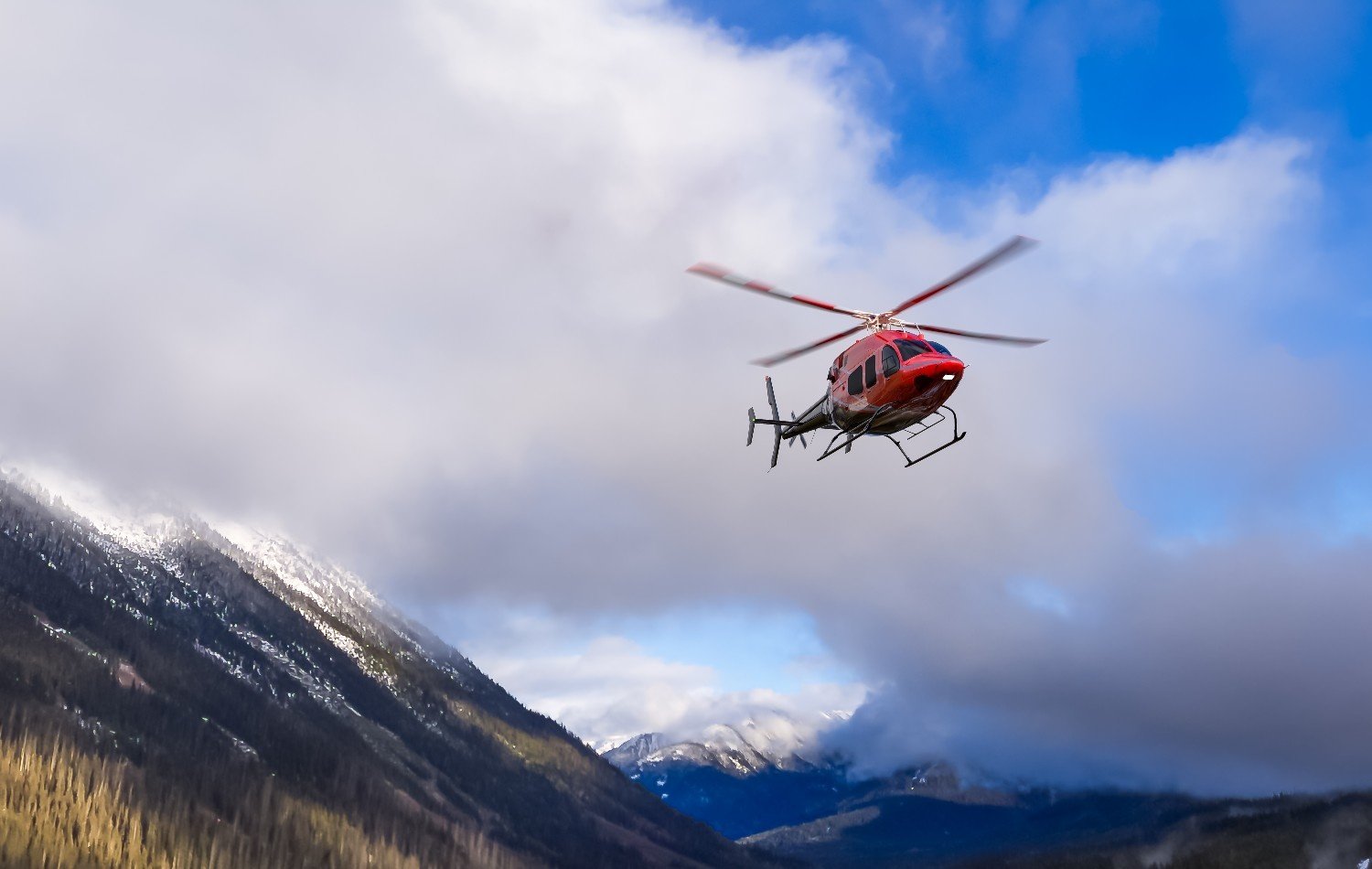



 Continue with Whatsapp
 Continue with Messenger


